
Support us to develop our new project Belonging, which gives voice to Australia’s biracial and bicultural members who were created through an unconditional love that transcended social boundaries and norms.
Our new project, Belonging, will explore the lived experiences of 20 biracial and bicultural Australians whose voices have long been silenced within the nation’s cultural and political narrative. This collaborative project, led by Belinda Mason OAM and Dieter Knierim, will partner with individuals and families who identify as biracial and bicultural to translate their thoughts, memories, and emotions into powerful photographic, filmic and literary works. Each portrait will be accompanied by personal testimonies that articulate what belonging means in a country where diversity is celebrated, yet the realities of mixed-race identity remain largely invisible. By launching the exhibition during Human Rights Day in December 2026, the project provides recognition of the racial and cultural diversity of Australians, raising public consciousness about the lived experiences of biracial and bicultural people and the intersectional discrimination they face.
The Museum of Understanding Through Tolerance & Inclusion Ltd (MUTTI) is a charitable organisation committed to using the transformative power of art to foster social cohesion, empathy, and justice. Our objective is to create inclusive platforms, led by individuals with lived experiences of marginalisation and discrimination, that support meaningful dialogue between those with lived experience, policymakers, and the public, aiming to inspire societal change and strengthen human rights advocacy. Our mission is to break the silence surrounding the lived experiences of marginalised individuals and ensure their voices are heard, believed, and respected. We believe that amplifying these voices is vital for communal healing and fostering an inclusive society where dignity and belonging are upheld.
"As the father of two biracial children, I expect the outcomes of the project will be to add to the diversity of art and cultural experiences available to audiences while raising public awareness and promoting greater understanding and acceptance of biracial and bicultural people, thus contributing to social cohesion and harmony. For the participants, we believe their collaboration and co-design will enhance their sense of identity, self-worth and belonging, knowing that their voices have been recognised and understood.”
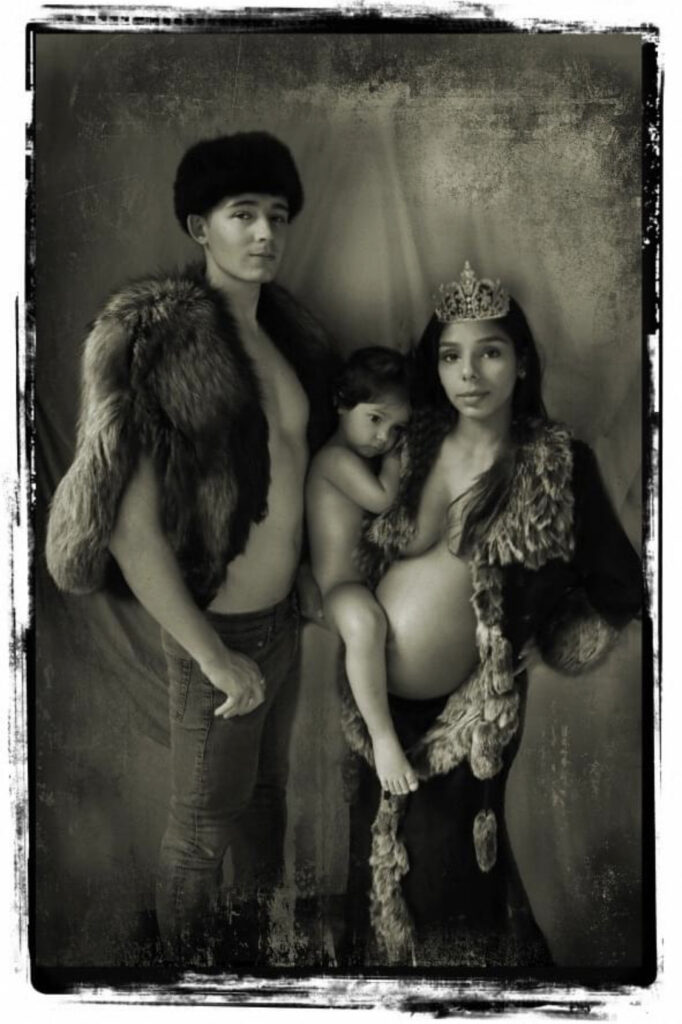
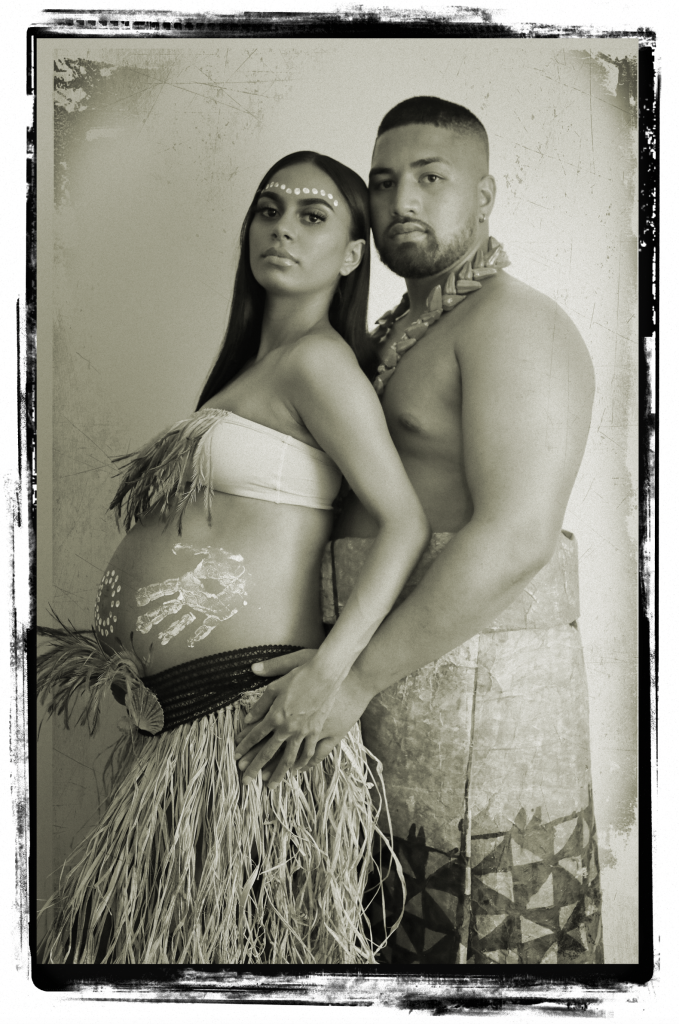
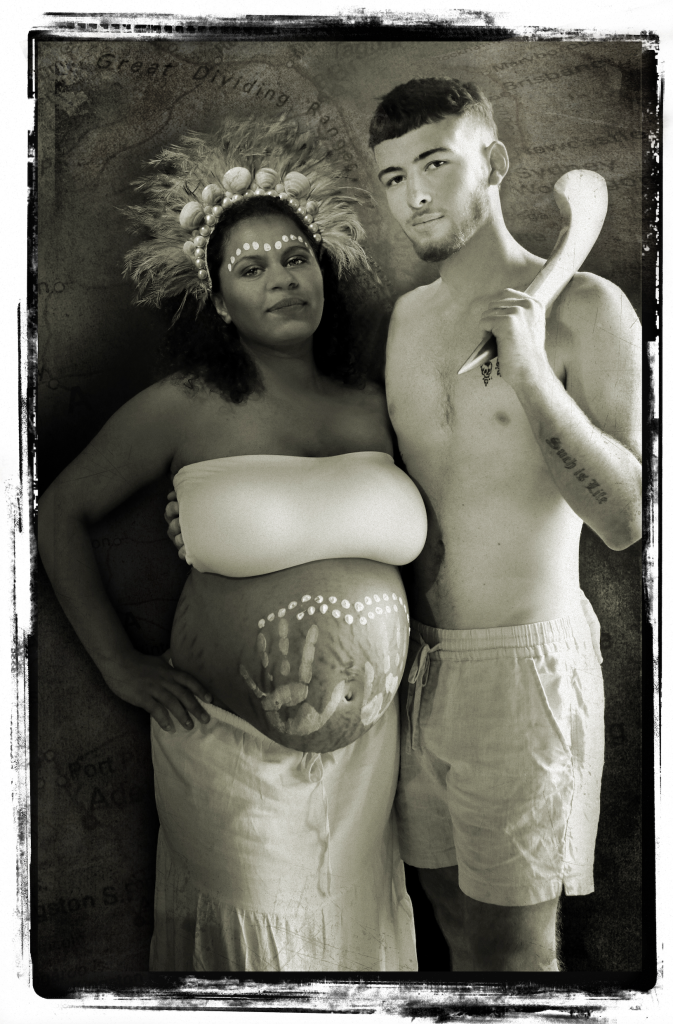
Belinda Mason and Dieter Knierim will work collaboratively with participants to co-create twenty photographic and film works. Each piece will reflect the participant’s lived experience, interweaving portraiture, archival imagery, and personal words to evoke memory, complexity, and identity. To ensure integrity, advisors with lived experience of intersectional discrimination, including those people with diverse ethnicities, races and faiths, and those who identify as being culturally & linguistically diverse, First Nations, LGBTQIA+, and/or living with disability, will guide the creative process. This approach ensures that every story is treated with respect, authenticity, and sensitivity. Art within Belonging functions not merely as representation but as activism, a visual act of reclamation and truth-telling. The resulting works invite audiences to confront their own assumptions, bridging empathy and understanding through exposure to the complexity of biracial identity.
The Belonging exhibition will debut during Human Rights Day (10 December 2026), a national period recognising the racial and cultural diversity of Australia. This alignment situates the project within a broader civic conversation about coexistence, respect, and equality.
The exhibition will feature:
“Our vision is to create an innovative, engaging multifaceted art and cultural experience that will spark new insights and conversations amongst audiences on the important and often emotive topic of what it means to be biracial and bicultural in Australia today.”
Belonging asserts a simple truth: to belong is a human right. While nearly half of all Australians today are either born overseas or have a parent who was, our social institutions still privilege singular narratives of identity. Since the removal of racial descriptors from Australian census data in 1971, biracial Australians have been rendered statistically invisible, excluded from evidence-based policy and cultural representation. This erasure perpetuates structural inequality, leaving biracial and bicultural Australians without a clear place in the national story. The project arises in response to this historical absence. By giving visibility to these identities, Belonging seeks to repair the silence that has long surrounded them. Through portraiture, film, and storytelling, it reclaims the right of individuals to self-identify and be seen, not as anomalies or curiosities, but as vital expressions of contemporary Australian life.
“While we celebrate the lives of migrants to Australia, there is little acknowledgement of those who find love and have children with people from a different cultural, ethnic or religious background to themselves. As a child of mixed heritage, I can become an object of curiosity, having to explain that I am not adopted or that one of my parents is not kidnapping me.”
At its heart, Belonging is an act of testimonial justice, a process of restoring credibility and dignity to voices historically unheard. Each participant’s story challenges both overt and covert racism, from exclusionary social practices to everyday microaggressions disguised as curiosity: “Where are you from?”, “Are those your parents?”, “Are you adopted?” The project honours these lived experiences as legitimate testimonies of resilience, agency, and love. By presenting them through the universal language of art, Belonging transforms private pain into public advocacy. Aligned with the principles of the Universal Declaration of Human Rights, this project recognises that inclusion is not an act of benevolence but of justice. The right to belong, to self-define, and to participate in cultural life is central to human dignity. Belonging upholds these rights through creative expression, collective storytelling, and visibility.
"MUTTI supports the call for biracial awareness, understanding, and tolerance, as biracial and bicultural children are our most powerful examples of how love conquers all."
For participants, co-creation and representation offer empowerment, self-recognition, and the validation of being seen and heard. For audiences, the project prompts reflection on the question: Who gets to belong? Belonging’s companion children’s book, You + Me = We, extends this vision to the next generation, offering young readers the opportunity to see their families reflected in the stories they read. Its message is simple but profound: You plus Me equals We – inclusion as equality. Beyond its immediate outcomes, Belonging will leave a permanent legacy of visibility, creating resources and narratives that future generations can draw upon to understand that difference is not division, and identity is not a single story.
Belonging aims to:
The Belonging Project will use a mixed-method social impact measurement framework to evaluate how effectively it fosters visibility, empathy, and inclusion for biracial and bicultural Australians. Quantitative data—such as exhibition attendance, digital engagement, publication reach, and media coverage—will be collected alongside qualitative evidence drawn from participant interviews, audience surveys, and stakeholder reflections. These combined tools will measure shifts in self-perception, representation, and public understanding. The evaluation will focus on five key impact areas: visibility and representation, empowerment and identity validation, social cohesion and understanding, human rights and policy dialogue, and long-term sustainability. Findings will be reported through a Social Impact Report, community presentations, and education toolkits. Ultimately, Belonging will be assessed not only by its reach, but by its capacity to transform attitudes, strengthen human rights advocacy, and ensure that biracial and bicultural Australians are visible, valued, and heard.
Support us to develop our new project Belonging, which gives voice to Australia’s biracial and bicultural members who were created through an unconditional love that transcended social boundaries and norms.
Donate HereGet in touch