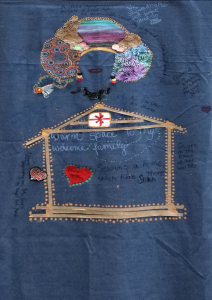
Baa Baa Black Sheep
‘Proud Ngemba woman, proud mother of two, lived experience advocate, survivor of all forms of childhood abuse, including mental, physical,…

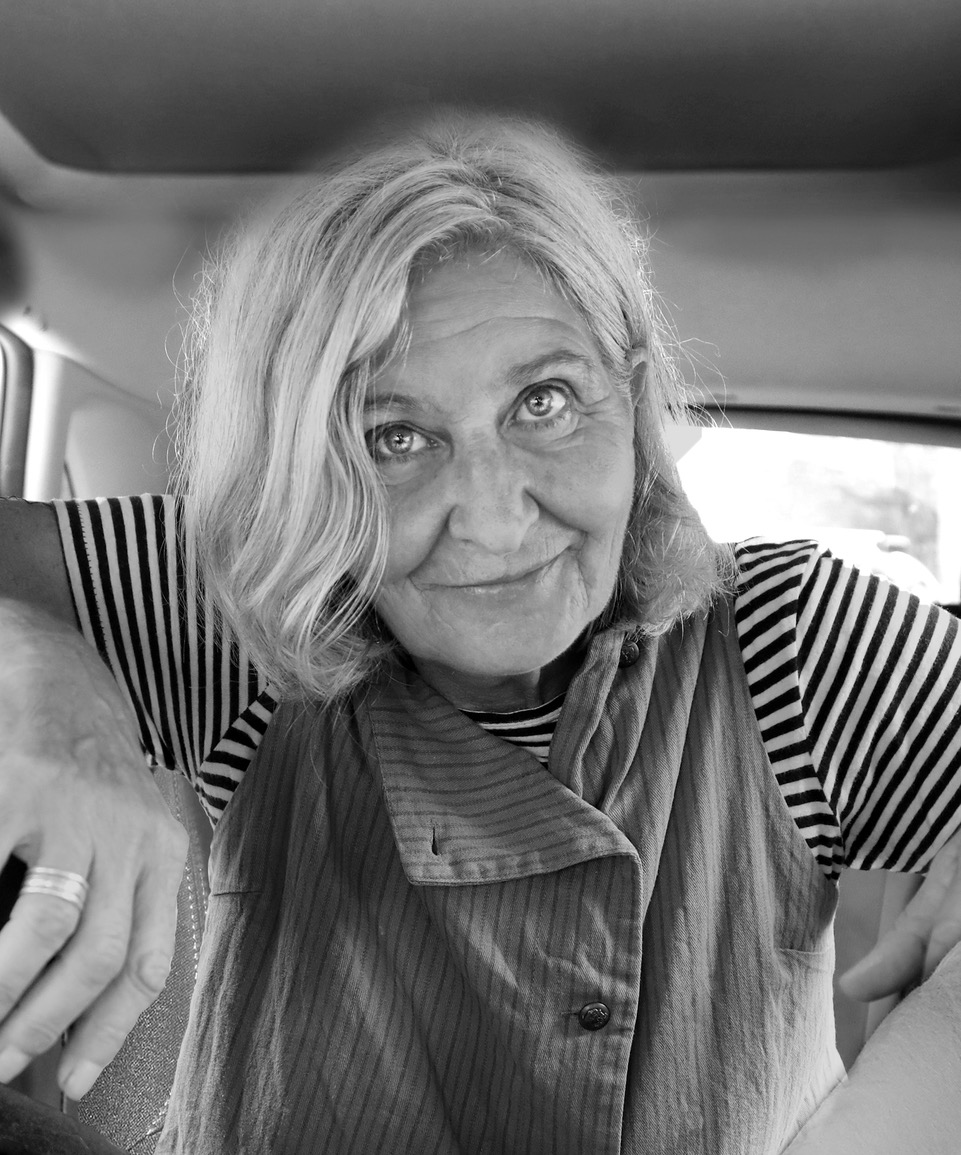
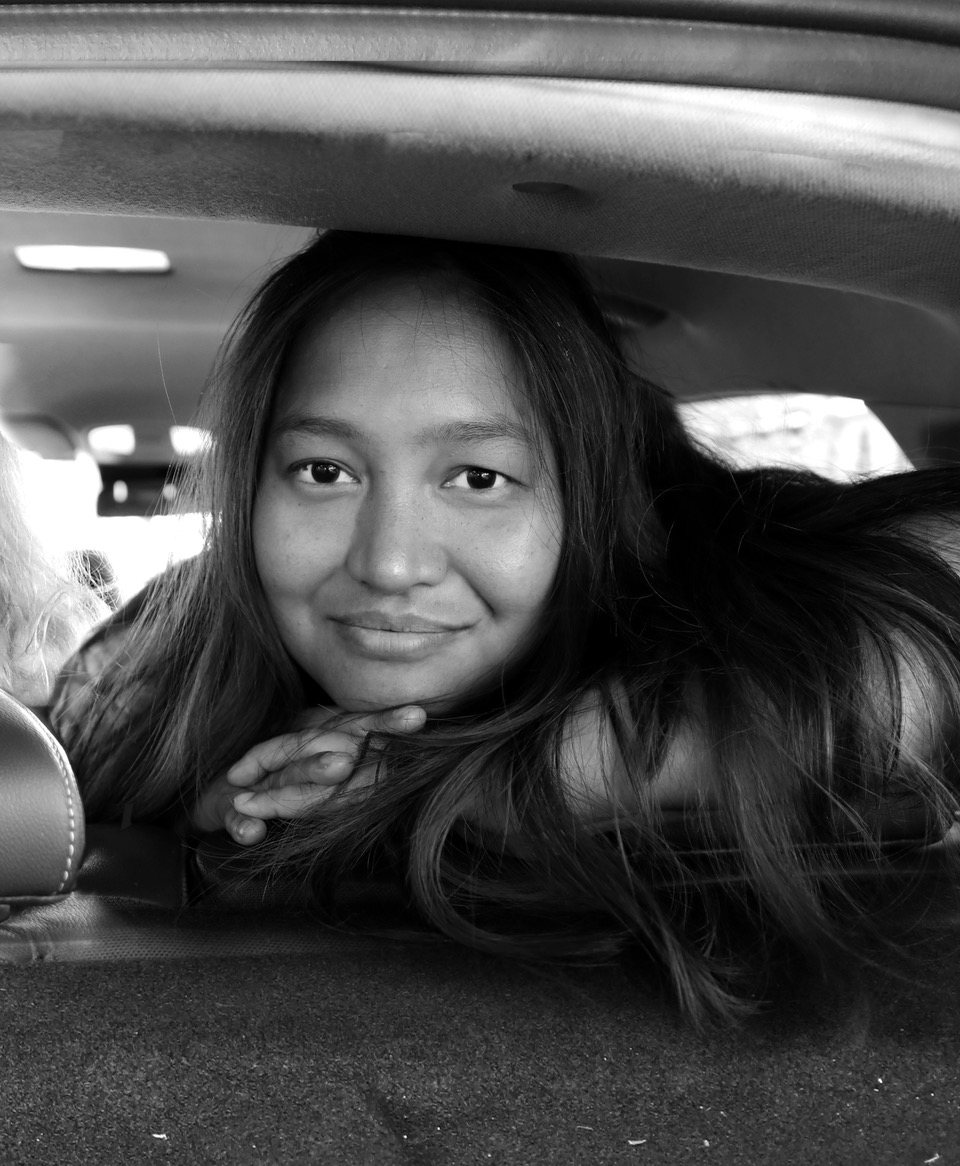
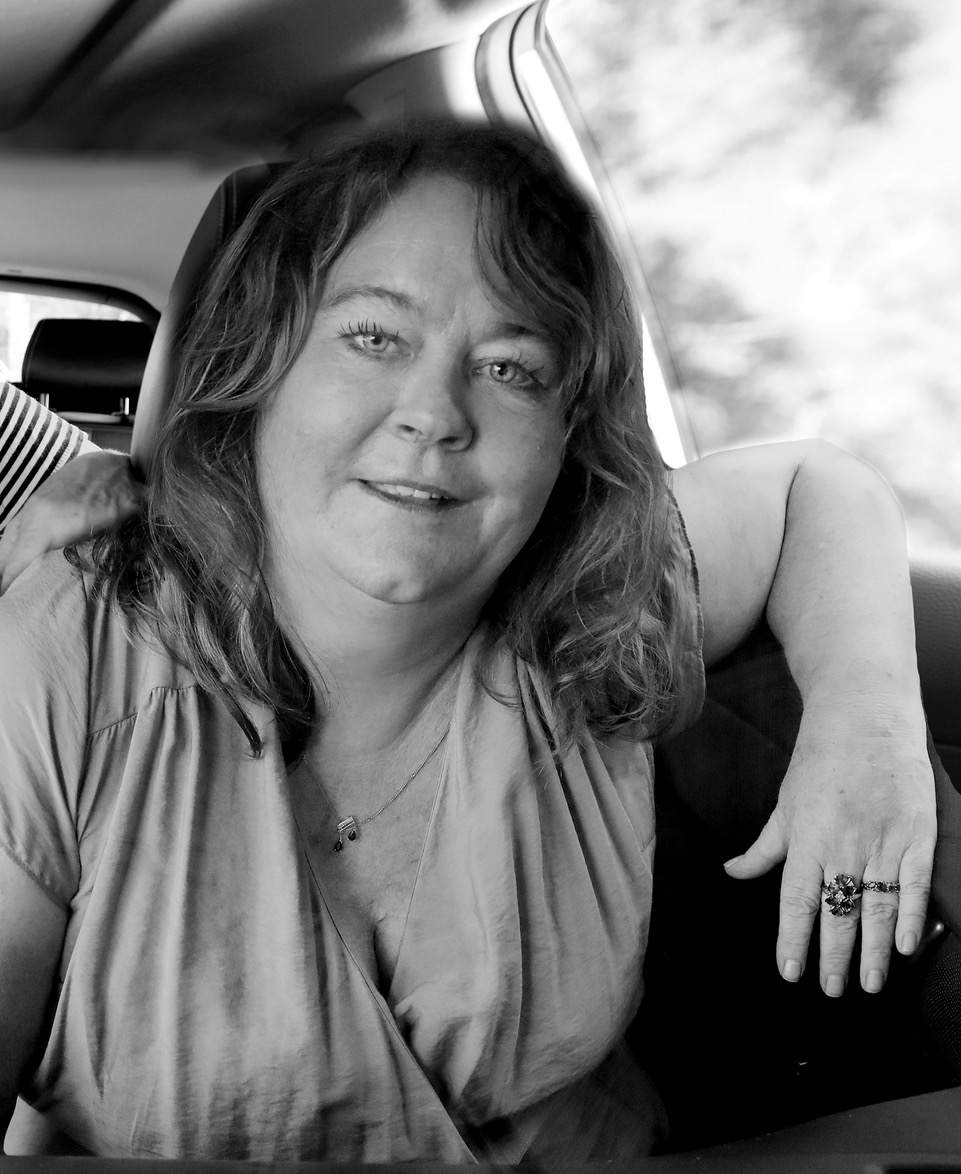
The UNSEEN Women’s Artist Group formed organically at MUTTI’s UNSEEN Arts Hub by the women who led the project, joining together to create a series of 2m x 1.2m individual artworks which share their journey into and out of homelessness. Identifying as First Nations, LGBTQIA+, Culturally and Linguistically Diverse, and/or having Disability, they highlight Australia’s housing crisis by bringing personal and impactful stories to national and international audiences. The women’s artworks demonstrate their cultural and creative practices to further reveal their resilience and the powerful advocacy they undertake in their communities. Their testimonies offer key insights into the challenges faced by marginalised women who have experienced unexpected homelessness caused by social and systemic barriers. An exhibition of their works was launched in March 2025 at an event held as part of the NGO Forum of the United Nations Commission on the Status of Women in New York. A major Exhibition of artworks by The UNSEEN Women Artist Group again exhibited their artworks at the Lionel Bowen Library of Randwick City Council between 17 April and 28 May 2025, and again at a major exhibition at the Fountain Court Gallery, NSW Parliament House between 5 and 28 August 2025. This exhibition was launched by Alex Greenwich MP and featured artworks by more than 30 diverse women artists from across urban, regional, and remote Australia.

‘Proud Ngemba woman, proud mother of two, lived experience advocate, survivor of all forms of childhood abuse, including mental, physical,…


‘This piece is a visual representation of a childhood marked by silence, displacement, and the absence of identity… – Monique…

‘I’m the first daughter of the first daughter of the first daughter. That’s a legacy I carry with pride, strong…

‘I’m a mature lady with three adult children and seven grandchildren. I have been a company director, which enabled me…

‘Now as you lift my veil you see me raw and exposed, no longer hidden from the atrocities of society…

‘I see that we don’t get a chance, But without being given a chance, we can’t make a change Please…

‘In my artwork, each photograph is a part of my recovery from PTSD. Each photo is a part of my…

‘The two faces visualise the differing states of mind in temporary and permanent accommodation. In temporary accommodation, my face shows…

‘I am Australian, lived with my lesbian partner in London for three decades, a weaver. I am one of the…

‘I am a First Nations Gooreng Gooreng and South Sea Islander Woman. I have worked for over 40 years to…

‘The Bhutanese Rapunzel is a poignant tribute to the challenges faced by international students who come to Australia seeking opportunities…

‘In my artwork it’s sunset because the moon has risen. I’ve got little footprints on the moon and all the…

‘I’ve had a varied background as Community Artist, Playback Theatre practitioner, Facilitator and Wellbeing adventurer, exploring the notion we are…

The Union Jack or Union Flag is the de facto national flag of the United Kingdom. The Union Jack was…

‘My people, when we’ve got nowhere to go, we go to the river. This was my home for many of…

‘My body map is a visual representation of trauma I faced through family and domestic violence and homelessness. This particular…

‘I am an Arab woman living in Australia since 2003, and am the mother of two young men who are…

‘I had an accident at age eight, and then spinal surgery at nine. Being physically disabled led to growing up…

“As an immigrant who spent a lifetime across three corners of the world in search of the perfect home, a…

‘My picture depicts my lived experience of deep listening and learnings from mentors and valued people about culture, family and…

‘I made the flag big ‘cause I am proud to be Aboriginal, proud to know that I’m part of the…

‘This shower screen represents the invisibility of the homelessness we experienced as a family. I picked a shower screen as…

‘Born into homelessness to a mother with a disability and a father who is a black migrant, at a time…

‘Where we are says a lot about the journey we have travelled and continue to travel. This is about hope,…

‘My name is Gina. I’m a Polynesian transgender woman. I was born and raised in a very strictly religious, supportive,…

‘My work is about the environment I grew up in, a reminder of things, etched on my body, that cannot…

‘The catalyst that led me to leave a violent relationship was when my grandmother, who I was so close to,…

‘I know the power of water – both good and bad. As a woman with physical disability – specifically cerebral…

‘I know the power of water – both good and bad. As a woman with physical disability – specifically cerebral…

‘My people, when we’ve got nowhere to go, we go to the river. This was my home for many of…

‘The catalyst that led me to leave a violent relationship was when my grandmother, who I was so close to,…

‘My work is about the environment I grew up in, a reminder of things, etched on my body, that cannot…

‘My name is Gina. I’m a Polynesian transgender woman. I was born and raised in a very strictly religious, supportive,…

‘Where we are says a lot about the journey we have travelled and continue to travel. This is about hope,…

‘Born into homelessness to a mother with a disability and a father who is a black migrant, at a time…

‘This shower screen represents the invisibility of the homelessness we experienced as a family. I picked a shower screen as…

‘I made the flag big ‘cause I am proud to be Aboriginal, proud to know that I’m part of the…

‘My picture depicts my lived experience of deep listening and learnings from mentors and valued people about culture, family and…

“As an immigrant who spent a lifetime across three corners of the world in search of the perfect home, a…

‘I had an accident at age eight, and then spinal surgery at nine. Being physically disabled led to growing up…

‘I am an Arab woman living in Australia since 2003, and am the mother of two young men who are…

‘My body map is a visual representation of trauma I faced through family and domestic violence and homelessness. This particular…

‘Proud Ngemba woman, proud mother of two, lived experience advocate, survivor of all forms of childhood abuse, including mental, physical,…

‘I’ve had a varied background as Community Artist, Playback Theatre practitioner, Facilitator and Wellbeing adventurer, exploring the notion we are…

The Union Jack or Union Flag is the de facto national flag of the United Kingdom. The Union Jack was…

‘The Bhutanese Rapunzel is a poignant tribute to the challenges faced by international students who come to Australia seeking opportunities…

‘I am a First Nations Gooreng Gooreng and South Sea Islander Woman. I have worked for over 40 years to…

‘I am Australian, lived with my lesbian partner in London for three decades, a weaver. I am one of the…

‘The two faces visualise the differing states of mind in temporary and permanent accommodation. In temporary accommodation, my face shows…

‘In my artwork, each photograph is a part of my recovery from PTSD. Each photo is a part of my…

‘I see that we don’t get a chance, But without being given a chance, we can’t make a change Please…

‘Now as you lift my veil you see me raw and exposed, no longer hidden from the atrocities of society…

‘I’m a mature lady with three adult children and seven grandchildren. I have been a company director, which enabled me…
UNSEEN participant Jai experienced homelessness as a young adult. Her uplifting podcast, ‘Thankfulness’ will provide others an opportunity to say ‘thank you’ to those who helped them through difficult times. Supported by Blur Projects and the City of Sydney, Jai’s podcast was made with the assistance of sound engineer Dieter Knierim and sound editor Jenny Kapp, professionals with disability who have already delivered outstanding outcomes to UNSEEN. Jai’s podcast was launched on International Women’s Day 8 March 2022 at Redfern Community Centre.
‘My concept is to create a podcast – “Thankfulness”, which opens up the conversations around social justice; primarily with people affected by homelessness, mental ill-health and women. This includes those with lived experience and people who work and support them. I want to explore the idea of thankfulness as opposed to gratitude, which can be difficult to reflect on when we are struggling. Sharing a positive memory and saying thank you to anyone who may have been part of that experience has helped me feel that I can give, when I have little of my own to contribute. This podcast will be my opportunity to give back to my community by allowing them to have a voice to share something positive that has happened for them and hopefully find some resilience through storytelling.’ – Jai Jaru

“I think the idea of homelessness usually brings up images of some one sleeping rough... this wasn't the case for me..."
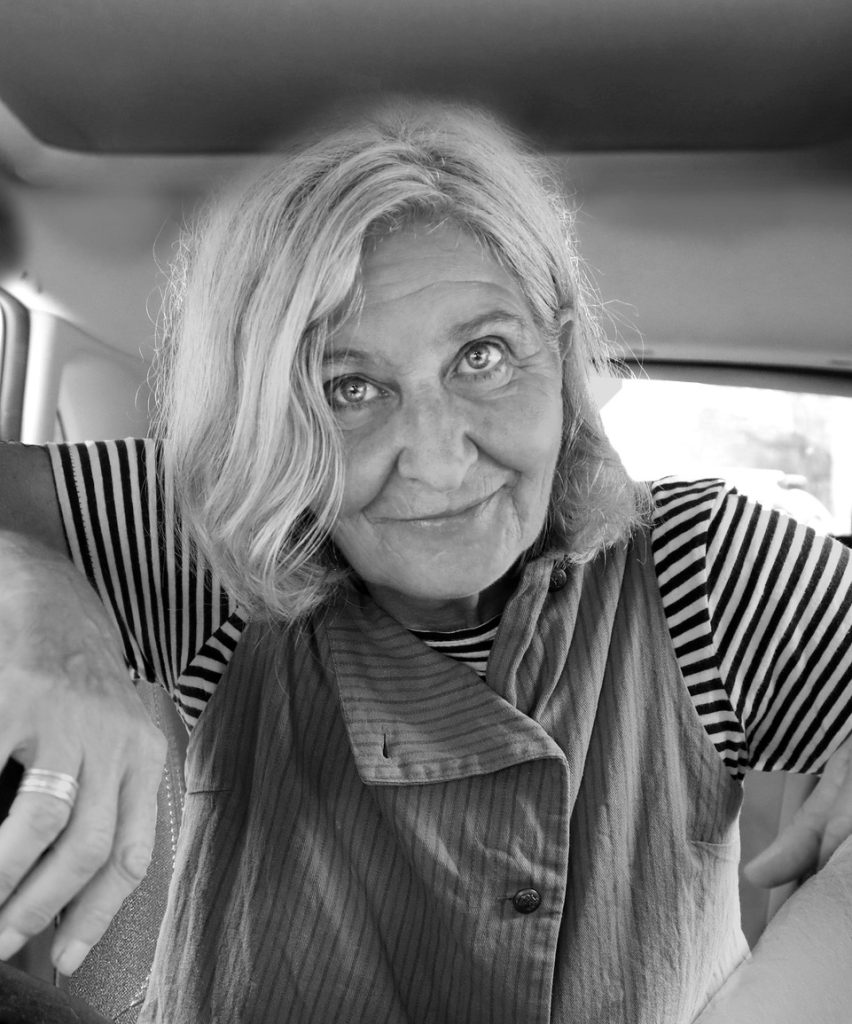
“I think the idea of homelessness usually brings up images of someone sleeping rough on a park bench or lining up at a street van, because this is what we have seen. But this wasn’t the case for me and isn’t the case for so many women. It’s an incredibly isolating place to be, functioning day to day. I spent most nights in a library until it closed just to feel safe and a part of a community.” – Fiona 2021

“Every woman: a daughter, a mother, sister, auntie, grandmother. We are not anonymous statistics. I am Jai."
“Every woman: a daughter, a mother, sister, auntie, grandmother. We are not anonymous statistics. I am Jai “ – Jai 2021
“I originally came to Sydney to jump off the harbour bridge…. that was more than 20 years ago. I then spent the next ten years on and off the streets, between refuges, temporary housing and supported accommodation. I was a regular visitor to the local psychiatric units and only last year managed more than twelve consecutive months without an admission. Through my ups and downs I’ve found that I need to believe,
The other important part in my journey is having individual people believe in me. My family by blood, through adoption, by choice and through circumstances. Being part of the UNSEEN Project has been an opportunity for me to connect with other women who have walked a similar path of adversity and find some solidarity and strength in seeing how others move through this. I am reminded that while there continue to be women facing complex and diverse challenges to long term safe and sustainable housing – we as a community have a responsibility to ensure that their voices are heard. That these women are SEEN and their needs addressed.
One thing I really hope happens from this exhibition is that it can be a conversation starter…
You know, when I’m on the streets asking for cash, or lined up at a food van, or anywhere really, and someone takes the time to ask me how I would like my coffee, whether I would like two sugars or milk, it shows me that they care, that I’m a person with my own individual needs and that I have a choice in how I would like things done for me. I find that very empowering – that I have a say in how things are done in my life.
Or maybe, someone has come across a green shirt while sorting through things and remembered that I like green and set it aside for me and the next week when they come out on the food van, they say, ‘Hey, I found a green shirt. I think this really suits you.’ That’s just so personal. Usually, we get given all these second-hand clothes and things, and we sort of just get whatever fits, and we don’t really have any choice in that. But when someone has sought me out in the group and said, ‘Here, this is for you’, that makes me feel so special and wanted and important.
It’s too easy for people to just say, ‘Here, have your coffee, you should just be grateful for whatever you get.’ But it only takes another five seconds more to say, ‘Would you like milk with that?’ ‘No, thank you.’ ‘Okay, that’s all right. Here you go. Have a nice day.’ And I think many people forget that sometimes it’s those little things that can really change how a person takes the next step. And I think that when you’re offering me choice and empowerment, you’re offering me dignity and pride, they’re attached to that too.
But there are times when I can be really broken and mentally F-ed up, when I can’t even decide whether I want chocolate cake or vanilla, I just can’t process it, I’m not even at that point. I won’t be trying to be rude, maybe it’s that I’m so hungry I just have to put something in my mouth before I can even speak coherently so please just give something to eat, anything. Sometimes empowerment is even about giving me the choice of whether to make a choice or not; often many of us will but sometimes we won’t want to and sometimes we’re not even in a position to be able to make a choice that’s good for us.
When I talk about giving homeless people a choice, sometimes people say, ‘Oh, yeah, well I offered that and I just got told to F-off so I’m not going to give you a choice in the future, I’m not going to make those offers anymore.’ Well, that happens sometimes but my point is about the importance of making the offer in the first place and then being able to understand that sometimes we’re not able to deal with it. You know, it can be like when toddlers are overtired and can’t make decisions for themselves. That’s when a parent has to be able to recognise that and step in and make the choice for them.” – Jai 2021

“I wish with all my heart that all Muslim women live a beautiful, calm and comfortable life, far from cruelty..."
“I wish with all my heart that all Muslim women live a beautiful, calm and comfortable life, far from cruelty and domestic violence – and that the voice of love, hope and equality reaches the farthest place on earth.” – Noor 2021

“The hardest part of living as a homeless person for me was not having that safety or privacy..."
“The hardest part of living as a homeless person for me was not having that safety or privacy. There is something exhausting about always being in public, with the other people a constant presence. Additionally, the right to privacy is sacrificed for the right to services. While being interviewed by a worker in the department of housing, who was legitimately going through my bank statements, she queried what it was that I had bought at a chemist. This felt invasive into very my personal matters which were of no relevance to housing.’ – Emily 2021
“I grew up in a working class suburb of Canberra in the 1970s. It was a house full of books and music and even though my parents left school in year 10, they really put a lot of emphasis on my education and my creativity. So even when we were only eating baked beans for dinner, I still had piano lessons, and things like that. And my mother drove me every Saturday to the library across town because I’d read all the books in the small local library by the time I was twelve. I even played the bagpipes for about five years and I tried playing the flute. I had singing lessons and was in the opera Aida and when I left school, I was going to go to university.
But I suppose because it was a very working class area I got bullied really badly. Now everyone gets picked on at some point about something and that’s part of growing up and it’s never nice. But bullying, when it’s relentless, is quite a different phenomenon. And did I get it… relentless, relentless, relentless! And the reason I got picked on was because I was the smartest in the class all the time. And it wasn’t just because it was a working class area but also because a lot of the kids were children of migrant parents who didn’t speak English, so they didn’t get much help at home with reading or schoolwork. So I really stood out as the ‘smarty, smarty’ girl.
I used to try and hide in the library but they’d always find me. And then it was “Ah, she’s reading the books again. Oh, you are really up yourself, aren’t you? You think you’re better than us because you’re so smart.” I was a very shy and sensitive child, and I had no idea how to deal with all the bullying because there wasn’t anything like that at home.
So my way of coping was I started pretending I was dumber than I was and deliberately making mistakes. Even though I knew the answers I’d make sure I got some wrong. But my teacher knew what I was doing, he’d say, “Emily, you know this!” And once a term we’d be given forms where we’d be rated on our various subjects — high, low, failing, etc. Your teacher would fill one in and you’d have to take one home for your parents to fill in and they would always put high, high, high. But also we’d have to fill one in and rate ourselves. Those were the days when we all sat around the table in groups of six or eight, across the classroom and the first time I made the mistake of filling in all highs because I knew I was really good at school. But the other kids saw what I’d done and aw man they went ballistic at me! So after that, although I still put some highs in to divert my parents I started to rate myself as medium, all to avoid bullying.
But the bullying went on for years. They would pick on something I was insecure about and they’d make up songs about me to try and upset me, like I had a funny nose (although I didn’t think I did). The school had rung my mother a couple of times when they’d found me in the toilets crying because I couldn’t face going back into the classroom. And my mother would come and pick me up. But the school really didn’t deal with it very well back then.
One day something out of the ordinary happened. I was in the canteen and there were six of them, the ringleaders, and they’d made a circle and were dancing around me and I couldn’t get out. And then this girl who was in another class of my year and who had a reputation as one of the tough girls – you didn’t mess with her — came over, I don’t know why, and said to them, “Oi, leave her alone!”
And the ringleader said, “Why should we? Who are you?” And this girl just punched her really hard in the face and knocked her to the ground. And I was standing there with my jaw on the ground going what just happened? And I thought, Holy shit. This is how you do it. And after that, this tough girl and I became friends. She lived just around the corner from me, in the same suburb. We were an odd combination in many ways but we used to hang out together after school and on weekends. We had this unspoken agreement though that at school she stayed with her gang and I stayed with the goody-goodies. And anyway I didn’t want to be seen with her because I was terrified of getting caught with the girls smoking in the toilets because I wasn’t a naughty kid at all.
That was all part of some learning curve I was on, the relentless bullying and the dumbing down and that tough girl and what she did for me. And something else I learned in my childhood was that you don’t get sick and if you do, you just try and keep soldiering on. And I think originally that comes from when I was about twelve and I broke my arm falling off a fence. I told my mother I’d hurt my arm and she just said, “You’ll be all right, love, go and have a hot bath and relax it.” and gave me a Panadol and sent me to bed. I suppose she didn’t realise how bad it was. In the morning I was in agony and it wasn’t until later that morning I got x-rayed and had it set.
When I left school, it was expected that I would go to ANU and do a law degree. That was what my parents wanted and I did do it… for two months, and I hated it. Then I dropped out, much to my parents’ horror and I got a job. I think I wanted a bit of time off education as well.
So, I worked and saved up all my money and then, because I had studied ancient history and loved it, when I was nineteen I booked a flight to Egypt and I got on a plane by myself with a backpack and got off in Cairo. I walked through the airport and there were soldiers down each side with sub-machine guns. I had never seen anything like that in my life and I was terrified and I nearly turned on my heel to get straight back on a plane to Australia but I didn’t, thank goodness.
I stayed in Egypt for six weeks and I did one of those adventure tours, I guess they call them, but which really means cheap. We travelled in a rickety old bus and we slept in sleeping bags in the desert and then we went on a felucca which is a sort of a dinky little sail boat down the Nile and we stopped off at different places. I made a friend on the way, someone I’m still good friends with thirty years later, and we hired horses. Well we tried camels at first but they’re no fun to ride, they spit and stuff. But we got the horses and we rode out and visited the pyramids. I had my photo taken out there on a horse by the pyramids on my twentieth birthday. I have that photo on my wall. It’s a very special photo for me; it’s a favourite of mine.
After Egypt, I got on a plane and went to Europe for six months. Then I came back and moved to Sydney and enrolled at Sydney Uni.
When I first started at Sydney Uni my habit of putting myself down made me quite insecure because it was quite acceptable to be smart there. And in fact, I wasn’t the smartest one there at all by a long way. And that was rather threatening but also, at the same time, a real relief. I even went to therapy for a time to help me overcome putting myself down. Actually I was quite overwhelmed by the whole experience of that first year and all the kids from the north shore who turned up in their BMWs. I did not come from that world at all. I had my first job at fourteen working in a bakery during late night shopping and Saturday mornings. I’d had a job the whole time I was at school and then at uni. Anything I wanted, I had to work for it. And these rich kids had this whole different life, going out in yachts on the harbour. It was, like wow, really something to me.
For a long time I was a poor student renting in a share house and working part-time. And that’s where I met my partner, she was doing the same things I was. We started out as housemates and friends and then it developed from there and we put ourselves through uni together and got our degrees. We’d always wanted to buy a house so once we both started working we bought a house in the Blue Mountains because back then I think our house only cost $160,000. Well, of course it’s gone up a lot now, but back then we were able to buy up there, which was lovely and we were thrilled. We renovated the house, nothing major, just painting and the gardens and, you know, just things that we could do ourselves.
We were both still studying. My partner had launched a successful career and now has four degrees in four different areas. I really wanted to have a baby, to have children, but I put it off until I could finish my PhD, which I did when I hit 30. Then the property market up there started to boom. So we bought another house that was a deceased estate and, again, run down so we got it at a bargain price because it needed a lot of cleaning up and we had to take it as it was. But we renovated that one too, and that was an adventure. Eventually they both went up enough in price that we sold them both and had enough money to come back to Sydney and buy a house here.
By then I was pregnant and we had decided that we didn’t want to raise a child in the Blue Mountains. Even though we loved living up there, we’d been there for ten years and we both had come from Sydney. Well, I’d grown up in Canberra, but I’d moved to Sydney to go to university. We were really pleased with ourselves that we’d made enough money to be able to go back and buy in Sydney and that’s what we did. We bought a house in Leichardt and it was a major event, not only because it was what we wanted but also because our mortgage was massive. In fact, our mortgage took all of one of our salaries and we lived on the other. So it was a big deal.
I guess, looking back at my history before I became homeless, a lot of things happened in a short space of time that meant I had what is commonly referred to as a nervous breakdown. And I did it big time. I started drinking too much, to try and manage my anxiety and I would get manic and then depressed and then the drinking crept up and up and up until it became way too much and that caused its own problems.
And the lead up to that was my partner of nearly 20 years left me and I didn’t want the relationship to end and I was devastated. I was utterly devastated. My parents have been married for over fifty-five years now. So I had this expectation that that’s what you did. And we weren’t married because back then two women couldn’t get married but we certainly made a commitment to stay together. And that was very clear. My partner and I went to couples counselling for about six months and I think, to her credit, she really tried to make it work. But, in the end it was obvious that she wanted to go and she did. And that also meant that we had to sell our house, which was devastating as well. Neither of us could afford to keep it. And I thought of every possible way that it might be done and it just wasn’t feasible.
So we sold the house and I went back to renting. And so everything started to feel out of control. I lost my partner. I lost my home. I was looking after a three-year-old child on my own, because at that point in time, my partner didn’t just not want to be with me but she also didn’t want to be in a family with a child and she left and went overseas for two months. Now she’d never wanted to have children, but she’d agreed to be a parent alongside me, I guess, because she loved me so much. And then once we had our daughter she was surprised at how much she adored her and she still does. I think that as my daughter’s gotten older, they’ve kind of grown into each other even more. And indeed my daughter who’s fifteen now lives with my ex-partner.
To make things worse, in that same year, a close friend of mine died of ovarian cancer at the age of thirty-eight, leaving behind a five-year old daughter and a husband and that was the saddest funeral I’ve ever been to and that was really hard and I missed her terribly. Also at that time my mother was diagnosed with a potentially terminal illness and was in hospital for a long time and then, to cap it off, I had to have my dog put down and dogs have always been an emotional stability in my life. So things were feeling out of control in my personal life.
While all this was going on my work environment was undergoing big changes. The university management who had no understanding of what we were actually teaching, they were just managers, had decided that they wanted our degree restructured to be taught primarily online to save money. Now I had a really good working relationship with my colleague. He ran the grad diploma and I ran the masters and we both got about twenty students a year. And that was about enough for the profession and for each of us to manage. But they wanted our enrolments to be higher. Then they decided to shut my master’s degree down and I was fighting to keep it because I loved teaching it. I loved the content and I loved the students. I really enjoyed going to work at that point in time and I was doing research, I was publishing, I went to conferences and I gave papers. So I was really establishing myself and my career and I was the youngest on staff by about twenty years because I’d finished my PhD when I was thirty.
They then decided to move us both from Parramatta Campus, which I loved, to Bankstown, which was a lot further to drive and I just wanted to go back to my old office in that same kind of way you want to go back home. I think if I hadn’t been falling apart already, I would have coped with that. But because I was already struggling it added to the pressure. And then we had to go to endless meetings where we had to justify why we should even keep the degree and they wanted me to teach a different degree, in social work, which I didn’t want to do at all.
So I started to feel I had no control over what was happening at work and the decisions were being made by people who didn’t understand what I was teaching and didn’t understand the importance of practical placements and student support. And then I got into trouble because they changed a policy and nobody had informed me. I felt like I was being treated like a little kid at work and I felt out of control in my personal life and I was just barely holding it together.
That’s when I started drinking too much and bit-by-bit it increased. Because I was trying to manage my anxiety and I was trying to manage myself and calm myself down so I didn’t cry all night. And I tried not to cry in front of my daughter but I did sometimes and I had to say to her, “It’s all right, Mummy’s okay, Mummy’s just crying, she’s upset.” So it was all kind of crashing down.
And then I got involved in a situation with someone who was a stalker who followed me around although I didn’t know that until later. It was a woman oddly enough, a very large strong woman.
There was a pub on the corner where we were renting. Upstairs was pretty pubby but downstairs there was a restaurant and a nice beer garden out the back and I used to take my daughter and the new puppy I’d bought her and sometimes my parents and we’d sit out there. It was really nice and the food was great and not expensive, which was unusual for Leichhardt. And I’d seen this large woman around and I’d talked to her in a general sense, but then she propositioned me a few times when I was out and I said no. But she was very persistent and when I look back she was bullying me too; in fact, it was real perpetrator sort of stuff.
She said, “Oh, come on. I know you’re going to say yes. I know what you’re thinking. You know you will, I know you will, so why don’t we just get on with it?” She was very persistent. Looking back, I was too… well, I’m normally quite assertive. But I look back now and I think where had I gone? Like, who was I at that point in time? You know, when I was nineteen, I went to Egypt by myself with a backpack. And I think, where was that brave nineteen-year-old girl then. I was forty by then but I just felt quite perplexed — by myself, my identity and the situation around me, both personally and at work. What was I doing? And I did some pretty crazy stuff, when I got manic and when I was drinking and yeah, I just don’t know where I was. But at some point I got some of my old self back and I said to her, “No, no you don’t. You’re not in my head. And don’t tell me that you know what I’m going to do. Only I know that.” So I got some of that spark back, on and off, but it didn’t last long enough.
I know from my area of work, that people who are really vulnerable are like magnets. Now I’m not blaming the victim at all, but one of the things I found in my research into sexual assault and rape in adults is that you are ten times more likely to be raped as an adult if you were sexually abused as a child. And one of the respected psychiatrists, an American, Richard Kluft calls it a sitting duck syndrome. And he says, if you abuse a child, you teach them to not know and to not pay attention to the signals that they’re getting, because they can’t feel what’s happening and they can carry that into adulthood.
And then he talks about the sense that predatory men, and 98% of them are men, can almost smell vulnerability a mile away and they hone in on it and will go, haha, here’s a sitting duck, here’s a target. If you take someone who hasn’t grown up with abuse and put them in a dangerous situation, they start to feel wary and think they might get out of there. But somebody who’s been abused is more likely to just carry on as if nothing’s happened. So I think that something like that is what happened with this woman and me. And as I said, in this case, it was a woman.
And she knew where I lived.
Luckily my daughter was staying with my ex-partner that night. It was her birthday in a couple of days and I’d got her a birthday cake and made some presents and games and I’d gone to bed. It was summer and hot but I’d put on a flimsy nightie thing, thankfully. My bedroom was at the front of the house where the front door was. Down the back of the house was the laundry and bathroom with a door and a window onto a little courtyard. And this woman broke in through the window and I didn’t hear it because it was one of those long narrow houses. And she came and stood at the foot of my bed and said, “Emily, Emily, Emily.” At first I thought it was my ex-partner but I thought, no, she’s gone. And then I thought it was my daughter, but, no, she calls me ‘Mummy’. And then I woke up and saw this large ominous figure at the foot of my bed. And I sat up and went, “What?” She goes, “It’s me, Anna.” And I said, “What are you doing?” She said, “I told you I’d come. I knew you’d agree.” And I said, “No, no, no. How’d you get in here?” And I went into this confused state of thinking, but I think I went into automatic pilot or survival mode, I don’t know, but something good kicked in and I started to get out of bed and she said, “No, stay in the bed. That’s where I want to be with you.” But I said, “No, come on, let’s go down to the kitchen and get a drink.” Luckily she’d brought some beer over with her and she said, “Yeah, I left my beer down there.” So I said, “That’s good. You have your beer, I want a glass of wine and let’s go sit in the kitchen.” All I could think was I wanted to get her out of the bedroom.
Sitting in the kitchen the woman started talking about how she’d just taken out a lease on a house so that she and I and my daughter could all move in together. And I thought, holy shit, I’m in one of those movies on TV and I was tossing up whether I should along with it or not. But when I said, “I don’t want to move in with you” she said, “Yes you do.” So that’s when I thought, I’m just going to have to go along with this for a bit. So I said, “But I haven’t even seen the house”, trying to divert the conversation and I’m thinking, holy shit, I’ve got a real loony here. And that’s my best professional language. I had a photo of the day my daughter was born, the moment my partner brought her to me, and she pointed at it and said, “I hate that photo.” And I said, “Why?” And she said, “Because it should be me bringing the baby to you.” And again, I thought you’re mad.
By then the conversation had gone on like that for about twenty minutes and I was umming and ahing about confronting her or not, or what to say; how to get her out of there and how to get my mobile and dial triple zero. But every time I went to stand up, she’d say, “No, sit down, you don’t move. I know what you’ll do. You’ll get your phone.” Then eventually I said, “Look, I’ve really got to go to the toilet, I really have to go.” She said, “Well, I’m coming with you,” and she followed me down to the bathroom, and I really did have to do a wee, or I was going to wet myself, and I was wetting myself metaphorically anyway.
In the toilet I tried to think how to get out. I’d locked the front door so I knew it’d take me a while to unlock it; I couldn’t just fling it open and run. Now our new little dog was in the house and he was a Staffie, but do you think my lovely Staffie came to protect me? He was in the lounge room hiding under the coffee table! But I had an idea because she’d met my dog and liked him. So I came out and said, “I just need to go and check on Benji, I’m worried about him because he’s scared. I can see him under the coffee table. I’ll just go and check on him.” But she said, “No, he’s not scared of me. No.”
And that’s when I started to get shitty and I thought, I can’t do this all night, I don’t know where it’s going to end” and I said, “Look, you can’t break into my house and act as if you own me. You don’t, and I don’t want to move in with you and I don’t want to go out with you!” And with that, she reached over to where I had one of those blocks with knives in. She got the biggest one out and she put it to my face, and said, “You can’t do this to me. You’re hurting me,” and I was thinking, oh my God, I’ve made it worse but at the same time, I thought, what else I was going to do? Then suddenly she raised the knife and said, “This is how much you hurt me,” and she brought it down and cut halfway through her other arm and blood spurted everywhere.
I went into shock, I couldn’t even stand up, She got up and staggered around. She was bleeding everywhere, and it was all over the kitchen walls and she said, “I’ll check on Benji.” So then there was blood all up the lounge room walls and all over the carpet. I started to come to a bit, and I told her to come back and sit down. I said I thought I needed to get her an ambulance but she said she wouldn’t go to a hospital because they’d ask what had happened. She said, “You did this to me. You did this.” I said, “Okay,” I said, “Look I’m really sorry. It’s a very kind offer that you’ve made about the house, I’ll think about it.” Because I was thinking if I could only stall her a bit, if she bleeds enough, she’ll be weak. So part of my brain was still working. And so I just kept being nice for about ten minutes or so, “Yes, we can be together, it’ll be okay. I’m sorry I rejected you. No, no, I didn’t mean it. You’re right.” I was crapping on; I never lied so much in my life. I would have said anything.
Eventually when she was looking a bit dopey, I said, “Look, let me just go and check on Benji, will you, okay?” And she said, “All right, but don’t you do a runner,” and I thought, “All right!” So I went in to Benji and then I bolted for the front door and she started screaming and staggered after me but I got the door open. She was right behind me, and I flung myself out the door and onto the street, and all I’m wearing is this flimsy nightie, no shoes, no wallet, no keys, no phone, no nothing … and I just ran. I was covered in blood, it was all through my hair, and I went screaming down the street.
I knew my neighbours quite well, but it was like four o’clock in the morning, and I thought if I went into their little courtyard entrance to ring their bell she’d catch up with me and I thought she still had the knife. So I just ran and ran and ran, down the street, round the corner and up around the block, and by then I’d lost her. I think she’d been too weak.
Then I went to a guy that I knew who lived with his family around the corner and banged and banged on his door, I was freaking out. Eventually he opened the door, in a towel, and he goes, “Emily, it’s four o’clock in the morning … oh, you’re covered in blood! ” and I’m standing there going, “Dial triple zero, dial triple zero, dial triple zero!” He did and he put me on, and they told me the police and ambulance were on their way and to just stay where I was until they rang me and said they were at my house. And so they rang me and said, “She’s gone and the front door’s wide open, and the dog’s still under the coffee table.”
So I went home and spoke to the police and the ambulance people there, and they told me it was really serious and they needed to get detectives out there and that I had to wait. I was shaking like a leaf. I told them that I needed to get inside to get some clothes, and my daughter’s birthday present. But they told me I had to stay outside and they put that crime scene tape around my front yard and I was thinking, what just happened? I’m in a movie. I’m in CSI or one of those cop shows. This isn’t my life. This just isn’t my life.” I kept trying to go in and eventually the police took me over to the ambulance. One of the ambulance guys got hold of my shoulders and he looked me in the eyes and he said, “You’re in shock. You need to come to the hospital.” He lifted me in and told me to sit there until I’d spoken with the detectives. And when they turned up I said to them, “I’ve got to go in there and clean it up. I’ve got to clean up the blood,” and they went, “No, no, no. You’re going to hospital.”
One of the detectives was trying to calm me down and she asked me what it was I wanted. I was worried about having some clothes to wear to the hospital, which was a bit silly because I’d be put in a gown anyway. But I kept fixating on little details that seemed important. So they took me to hospital and admitted me and the nurse asked me how I was feeling and was there anything she could get me. And I said, “Yeah, a double scotch,” and she said, “Oh, love, I’d love to, but I can’t give you that in a hospital. I can give you a couple of Valium if that’ll help?” And I said, “Yeah, anything that calms me down will do.” So they gave me a couple of Valium and I went to sleep for a while, and then the two detectives turned up, and I have to say, they were brilliant, these detectives. All the cops that I had in this incident and the one after, they were brilliant and really supportive.
The detectives said they’d found her, “It wasn’t hard. She wasn’t far away, she was staggering up the street and she’d left a trail of blood behind her.” And then they said, “So we’ve taken her to hospital but we just wanted to let you know we’ve taken her to a different hospital.” And I’m sitting there thinking, oh, that’s good, they think of everything and feeling quite cheerful … well, I think the Valium was kicking in.
I went home the next day. There were two women there, forensic cleaners. They were in white suits with white gumboots and masks and I thought I’d walked into a TV show. They were scrubbing the walls down and cleaning everything. I must have still been a bit stupid because I said, “Oh, I thought I’d have to do this. Do you want me to help you?” And they went, “No, absolutely not. You are not to come in here. Can you go to a friend’s place for a while? This is going to take us all day. You can come back tonight” And I said, “But I should help you,” and one of them said, “No, you don’t understand. This is blood, it’s contaminated; you don’t touch anything.”
So I went away and I stayed for a while at a friend’s place. He put on the TV and I remember just sitting there on the lounge, not taking anything in, just tuned out. Later, when I got back home the women were still there, they’d almost finished. I remember it so clearly, all the little details, like the covered chairs from the dining room out in the courtyard. They’d had blood all over them. They’d got a steam cleaner in to do them, they’d organised everything, and it just looked like nothing had ever happened. Mind you, later on I got a bill for $4,000!
Well, the next day we had my daughter’s birthday, and I was not in a good way, but I got through it. And then about two days later the police took out an AVO against the woman, which, as you probably know, are pretty much useless when you’ve got someone who’s determined to hurt you.
Someone had organised to have a board nailed up until the glass was replaced and the owner was really kind and had bars put on the windows so that was good. But about three days later I’d got home about seven o’clock at night and I was just putting the key in the lock when I felt as if someone was around although when I looked I couldn’t see anyone. Still I felt a bit uneasy and I thought, just get inside and lock the door, Emily. But just as I opened the door she came up behind me and knocked me flat to the floor, and said something like, “I’m going to fucking kill you,” and then she picked me up and dragged me in and locked the front door. I was screaming my head off but she put her hand over my mouth and said, “If you don’t shut up, I’ll really hurt you.”
She dragged me down the hallway and shoved me into the kitchen and then she picked me up and threw me across the room. I hit my head on the wall and landed on the floor and she came up and stood towering over me with a leg on either of my hips. I just lay there looking up and she said, “You tricked me and you ran away. Now I’m going to get you.” All I could think was that I was going to die. I was going to die without ever seeing my daughter again and she’d grow up without her mum. “I read your statement to the police about how you tricked me so you could run away,” she said, “Well, you’re not tricking me this time.”
She took off her belt and said, “This is what you deserve,” and she put it around my neck and started to choke me. “I’m going to fucking kill you, and don’t think you can trick me this time.” Now, once again, I don’t know what kicked in, part of my training, I guess, and my work in the trauma area, but I thought, okay, I know what I need to do. Part of me was thinking really clearly and part of me was this gibbering idiot who could barely speak. I managed to get my thumbs under the belt (I had bruises afterwards on each side of my neck from my thumbs holding the belt off) and I said, “Don’t kill me, don’t kill me,” and she said, “Why not? Why shouldn’t I?” And I thought, okay here’s my opening, and I’m still impressed that I thought of this. I said, “Listen, you have a daughter and she’s coming to visit next week, isn’t she?” “No, the week after,” she responded and then I said, “And you’re a mother, so you know what it’s like to love a daughter,” and she said, “Yes, I do” and she eased off on the belt a bit, and I kept looking her in the eye, trying to look friendly and I said, “And what would your daughter do if something happened to you?” “Oh my God, she’d be devastated,” “Well”, I said “You know I have a daughter and she needs her mother. And if you kill me, she won’t have a mother.” I said, “And I don’t want to lose my daughter. You’re a mother. You understand what that feels like. Now would you want this to happen to you?”
I don’t know how I knew how to do that, to go for that connection. Well I do know, but I don’t know how it came to me to do it then. Eventually I said, “Come on, we’re both mothers. We both have a daughter each. You have to understand why you can’t do this to me,” and she said, “Oh, all right,” and she took the belt off and pulled me up and sat me on the kitchen chair and she sat opposite me and she said, “So, um, are we back on then?” And I said, “Yeah, yeah, of course, darling,” and I thought, “I don’t care. I’m not dead. I don’t care what I say or do, I will do anything,” so I said, “Yeah, yeah, of course we’re back on.” And she said, “Good, let’s go to bed.”
And then she raped me, well, she wouldn’t have called it rape, but I certainly did — I didn’t give consent. She didn’t even ask me to agree, she just did it, and she just took it that I was happy with it, which I wasn’t. I was freaking out even more, but I just wanted to placate her. After that she went to sleep, but in the morning, she did it again and it was quite violent and I had a lot of bruising afterwards.
When she’d finished I told her she had to get off to work or she’d be late and she said, “Yeah, yeah, but when I finish work, I’ll come and pick you up and we’ll go and you can see the house,” and I said, “Yeah, that’d be great, I’m really looking forward to it. Oh, it’s so nice that we’ve worked things out.” And I was thinking, how can she not tell that I’m lying? Like, any normal person would see through me straight away, because I was shaking and my voice quivering and I’m looking like a scared rabbit in the headlights. But she got dressed and she left and I deliberately got up and went to the door and kissed her goodbye on her way out. Yerck! That was hard!
And then I locked the door and she was gone! I sat on the lounge and I thought, I need to call the police but I couldn’t. I just sat there in an absolute stupor, I just couldn’t move, I couldn’t even pick up the phone. It was like I was just in this paralysed state, and I sat there and sat there until around two o’clock in the afternoon she rang. I answered the phone, because I saw that it was her and she said, “Darling, I’ve organized to leave work early. I’m coming now. I’ll be there in about an hour, maybe less” and I said, “All right, I’ll see you when you get here.” Again, my smart brain kicked in, and I was thinking fast. At first I thought I should get out of the house but then I thought, no, I want her on my property, because then she’s in breach of her AVO, and I don’t even have to prove that she did anything else, but that wouldn’t have been hard to prove anyway.
And what I did was I went to my neighbours, the one next door and the one next door to her and I told them what was going on, and they’d known something had happened because they’d heard me screaming. I told them I was going to lock the front door and try to keep the woman outside where I had two wicker chairs on the front porch. I asked them to stay in their courtyards and pretend to be talking about plants or something. “But” I said, “As soon as you see her coming down the street, I want you to ring the police. Can you do that? I’m just going to keep her placated until they turn up.” They were worried, “Sounds dangerous, are you sure?” And I said, “Yeah, I’m sure. I think I know what I’m doing. Well, I don’t know what else to do. I really want her taken away or she’s going to come back in a couple of days.” So they agreed.
So she turned up with beer and a bottle of wine for me, and I’d anticipated that, so I had a wine glass ready. She saw me sitting out the front and she came up and she said, “Hey, darling, how are you? Have you had a good day?” Like nothing had happened. And I was thinking, “You are mad.” That’s what made it scary. It was like there was no way of reaching her. Well I sort of did over the mother daughter thing, but, oh God, that was a gamble.
She wanted to go inside but I said, “Let’s just sit out here. Have a cigarette. I know I let you smoke inside but I really don’t like it. It makes the house smell. You enjoy your beer. It’s a nice afternoon and it’s nice being outside for a change.” I could see my neighbours talking over the fence and then one of them went inside and I thought oh thank God and I just kept trying to stall the woman. Then I heard the police car at the top of the street You know they’ve got a particular sound and I thought, Okay, they’re coming and so I stood up and I said, “Oh, I just need to talk to my neighbour about something for a minute.”
And I got out the front gate and shut it so I had it between us and I could hear the police cars, only a couple of houses away, and I started walking towards next door’s gate, when she caught on and stood up and called out, “Emily, what are you up to?” But by then my neighbour had opened her gate and she threw me in her front door and locked it and then the police car pulled up, and the woman freaked out and tried to run, but they got her. They arrested her and the same detectives came and interviewed me again, and they said, “Don’t worry, we’ve put her in jail overnight, and we’ll present in court tomorrow. She’ll remain in lock up. She’s not going to come anywhere near you. And we’ll call you as soon as we hear anything.” My neighbour went, “Oh man, that was stressful!” I thanked them but I didn’t give them the details of everything that had happened.
I went to court the next day, and they didn’t give her bail, given that she’d done it twice and breached the AVO. She was remanded in custody until the court case. And that’s what I thought would happen because I’ve worked in the area, and I know if someone breaches AVO they start to move in heavier.
After that I couldn’t stay there, I just couldn’t but I didn’t know where to go so the police put me in touch with a sort of protective custody arrangement that was a series of six villas with a fence all around it and security. To get in the front door you had to buzz and there was a camera so the people in the office could see you and they’d let you in, so it was very secure. There were welfare workers there too, so I packed up my entire house within a day, put it all in storage and my daughter and I went to stay there the next day. They suggested that I stay there until after the court hearing so we ended up being there for about six months. In the meantime, I’d meant to go back to work, but after all that there was no way I was going back to work, and then I started having all this post traumatic stress, which is classic stuff, I know, because I’ve taught it and worked with it.
But it’s really weird when you find it happening to yourself. I shouldn’t call it a stress disorder; it’s more a stress reaction. You’ve got what’s called an ‘exaggerated startle response’. I’ve written that phrase in reports about people for court so many times. And then I had it myself. One day I was in the post office and I’d left my keys on a counter when I went to queue up and a man picked them up and came to give them to me. He tapped me on the shoulder from behind to get my attention. Well, I nearly jumped out of my skin and I screamed the place down. Everyone was staring at us, wondering what had happened. He was really embarrassed… and so was I.
I’d started drinking again when I was in the villas. They had a no drugs and alcohol policy but I used to drink before I got back home. But I decided I wanted to stop so I booked myself into hospital detox. And one of the things that can happen during detox is hallucinating and that’s what happened to me. I woke up one night and there was a man standing at the end of my bed staring at me. I called out to him, “Who are you? What do you want? Why are you here?” But he didn’t say anything; just kept staring at me with his evil eyes and the person in the bed next to me said, “Who are you talking to?” I started to panic and I rang a friend and told him there was a man at the end of the bed and I couldn’t find the button to press and to please ring the nursing staff to come. And because I sounded so genuine my friend panicked and rang the nursing staff. They told him there wasn’t any way a man could have got past them into my ward but that they’d go and check anyway. And so the nurse came in to me and asked me what was the matter and I told her about the man at the end of my bed. She said, “No there’s not. There’s no man. You’re hallucinating.” And the next day I saw the psychiatrist and he confirmed that what I’d seen, that what had seemed so real to me, was just a hallucination. And he said, “Now, I know a bit about your history and I suggest that you thinking there’s a man at the end of the bed is a sort of repetition of what happened in real life with that woman.”
Fortunately, by the time court case came up I had stopped drinking so I was able to write a coherent three-page impact statement. And when they came to sentencing, the judge said that what I had written was brilliantly put and exactly what victims of domestic violence feel when someone they know violates them in their own home. She said I was very brave and that what had happened was totally unacceptable and that as a society we need to do something about it. And that felt like a bit of a victory to me because someone had heard my voice. And she turned to the woman who’d assaulted and raped me and said, “What you did was a violation of a woman’s body and her privacy and her sense of safety in the world. And that is not on. And you have to pay a price for that because there are consequences when you behave like that, whether you’re a man or a woman.” And I felt validated.
The sentence she got was quite short – I thought it was appallingly short. But the lawyer for the DPP had recommended we take out the bit where she said, “I’m gonna fucking kill you” and drop the attempted murder charge and just stick with assault and a breach of AVO. Otherwise, he said her lawyers would come after me. “They’ll dig up every piece of dirt about your personal life they can including that you’ve been to rehab. Her lawyers have already come back to me saying, well, you know, Emily always liked really rough sex. She asked for it, she gets into it.” “What! I said. I was shocked “No I don’t!” Well, he told me, the only way to counter that would be to get my ex-partner to make a statement. I did talk to her and she was willing to do it for me but we both thought it was just too much exposure of our personal lives.
So in the end we agreed to drop the attempted murder charge. He pointed out to me that if we didn’t the case could drag on for over a year. I wouldn’t be able to move on and if I lost, I’d be up for all of her legal fees. “And,” he said, “From what you said in your statements, you’ve had a really rough couple of years lately. I think it’s more important that you focus on looking after your daughter, staying sober and getting your feet back on the ground.”
I was glad he said that to me. Because although I was for social justice and I was angry, I was torn between thinking “You’re not backing down, Emily! You don’t take shit lying down!” and thinking “I’m not strong enough. It’s really going to knock me around that whole process.” It was already making me sick and I’d been in enough court cases to give statements as the therapist of somebody who’d been assaulted to see the way rape victims get treated. And I knew it was really nasty, really, really nasty. I’ve sat in too many of them. And my lawyer told me that when he’d spoken with her and her lawyer, she seemed very contrite and sad and sorry about what she’d done. So we accepted her guilty plea for the lesser offences and that was the end of that. And I haven’t seen her again since. And that was about 2008 or 2009 when all that happened.
They let me stay in the villas until after the court case but they’d already told me they wanted me to leave—because of my drinking. They said I was welcome to come back if I went to long-term rehab. But I didn’t ever want to come back there again. I hated it there. I hated it. There was one nice woman there that I became friends with. She was pregnant and had her baby while I was there. But most of the other women I had nothing in common with. And a lot of them were on drugs or methadone and were abusive to me. I got screamed at. They’d say, “You think you’re so good. Why do you talk so posh? Why don’t you just talk normal like us? You’re up yourself!” But you know, I just talk like this because I’m well educated and well spoken. It’s how my parents talk. That sense of insecurity and being not in control that I had in primary school when I used to walk to school dreading it, thinking what are they going to do today, was restimulated. Here I was getting the same bullying and having to dumb myself down again to survive but from adult women this time. And I wasn’t used to that because I’d mixed with university academics and people in the health profession and they weren’t like that. And so it was a shock to find myself back in that world.
And I was really pissed off that I was being told I had to leave because of my drinking but there were people there behaving appallingly who were on methadone. I mean I was drinking too much but the way I drink it’s just to stay mellow. I complained about it but they said to me,”Well that’s a legal drug, it’s prescribed. It’s part of her program of recovery.” So eventually they told me I had to leave and that’s part of how I ended up homeless.” – Emily 2021

"Being homeless does not always mean living on the street. It can include living in temporary accommodation, couch surfing,... refuges..."
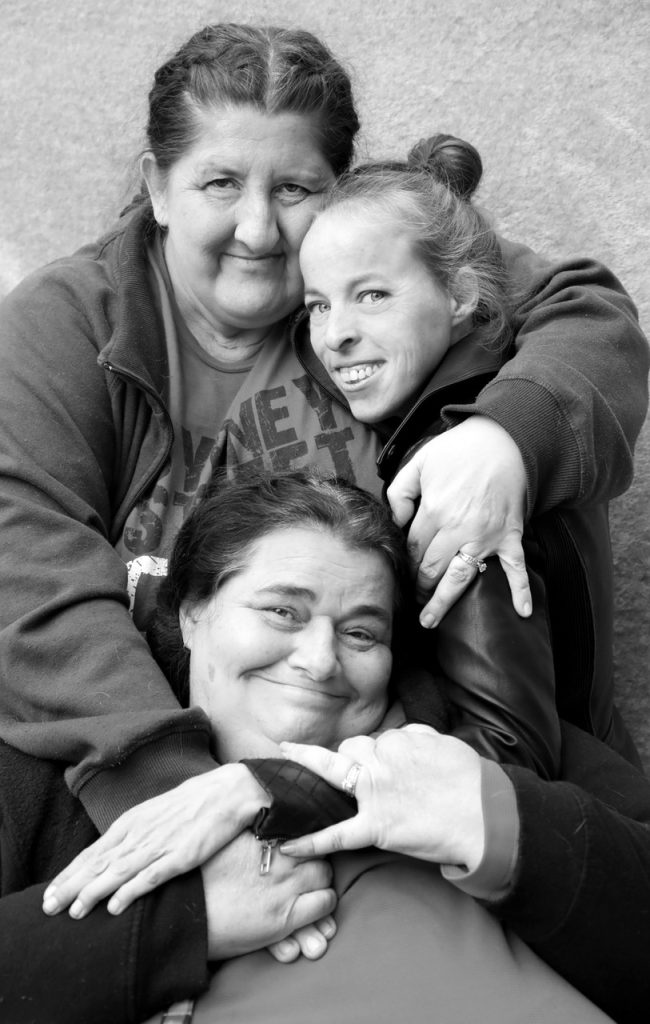
“Being homeless does not always mean living on the street. It can include living in temporary accommodation, couch surfing, living in refuges. Our experience of homelessness included being in temporary accommodation, being in refuges and couch surfing as well as living on the street.” – Monica on behalf of Tina and Jess 2021
Jess
“I was just 14 when I first became homeless and I am 29 now. I was removed from my mother’s care at just 13 and experienced homelessness from a very young age and, in fact, all through my entire youth. For me, living without a home meant being on the street and relying heavily on the kindness of strangers who eventually became like the friends and family I never had. Being so young, and not even at working age, made it incredibly terrifying as I also had no income to find housing – navigating a fully-fledged adult life at 14 is just not doable. It took me more than 10 years to secure support and housing. That’s my entire teenage years. If it wasn’t for the support of friends and the Sydney Street Choir, I am not sure what may have happened. With housing, I feel safer, a lot calmer and I’m not constantly living in fear. But it isn’t without its struggles. There are so many life skills I am yet to learn because of the basic needs I didn’t have in the past. Homelessness needs to be worked out. There are too many people like me that have mental health issues and disability issues that are being neglected and not helped, especially youth. I really think this is a hidden issue that can only be fixed if we shine the light on it.” – Jess 2021
“Increasingly the rates of homeless young people are on the rise. Young women make up a large proportion of the homeless youth population due to family breakdown and domestic and family violence”, Ms Barker said. We need to make sure women and children are supported through appropriate and immediate housing support to prevent long term chronic homelessness”. – Pam Barker, Chief Executive Officer, Yfoundations 2021
Tina
“My stepfather used to punch my mother a lot, every Friday night when they came home from the pub or the club, they had really bad fights, and I had to look after my brother and sister to keep them away from them. When I was younger, I used to cut my wrists, but then I decided it’s not going to get me anywhere. I just felt like I wasn’t wanted around my stepfather or my mother, because they didn’t look after me when I was a baby, my grandmother did. She was more like a mum to me than they were. And then, there was a lot of friction between me and my sister because my sister was getting all the favouritism from my mother. I know my mum used to come to appointments with my grandmother, but I just didn’t feel wanted by her, I only felt wanted by my grandmother. So, when I was about 14 or 15, I left their place to go and live on the street.
When I became homeless, I wanted to go to my grandmother’s place, but I couldn’t because my uncle was staying there at that time and there was too much conflict between me and him, and the only place I could think of was Kings Cross. I did leave Kings Cross and try to stay with my Auntie but we had conflict too, so I had to get out of there and then went back to Kings Cross again. My experience of homelessness was tough. I had to go into places like squats and refuges. Went to Samaritan House a couple of times. Went to one refuge in Penrith and one in Bondi Junction; I went to a few others as well. Then I went through them to try and get help to find a place. And the only way I could get a place was with the Housing Commission and that’s when I got my own house in Penrith. That was all from when I was about 13 to 17.
It was very stressful when you’re seeing your friends getting hurt by other people, or they’re having overdoses. And one of my friends had an overdose but she got better. I’ve had a few overdoses myself, but then I thought, “Why do that when the problem’s just going to be there all the time?”I was comfortable on the street, but then again, I wasn’t because you’ve got to find somewhere to keep all your stuff, and all my stuff got stolen on the street. You do have people looking after you, like people that you hang around with. But you also had people coming up to you saying, “Do you want sex?” And I’d say, “No.”When I was in Kings Cross I used to hang around the old snooker room that used to be upstairs in Kings Cross and drinking alcohol. When I was about 16, this guy came and picked me off the street. He took me in his car to go up to Melbourne because he wanted to see his family up there. But on the way, between Goulburn and Yass, we had a car accident. It was his car, but I was the one driving at the time, and I didn’t have a license. Instead of steering the wheel properly, I went over the rails at the end and rolled down the hill 10 times. So, lucky to be alive. We couldn’t get back to Sydney until someone came and picked us up.
Back in Sydney a detective at Blacktown Police Station, who has now become a good friend of mine, came and tried to find me and got me off the street and sent me back to my parents’ place. I stayed there for a little while until I got a boyfriend, back in ’91, and had two children with him. He wasn’t on the street and I went and lived with him in his place. After that, when I was 18, we got married and went up to Scone and lived there for a little while, but we split up and I decided to come back down to Sydney, got work and then I went to live in my own place in Penrith, underneath the Housing Commission.
My first child will be 29 in June and the second one will be 27 in July. I had other kids with other people, when I was about 21, 23, and 24. My third one, he’s 25. My fourth one is 24. My fifth one will be 23 in November. And my sixth one just turned 20 in May. I’m not in contact with all of them. I don’t have contact with my two oldest boys. And then when I was about 30-something I got married to my second husband. We didn’t have any kids – just had miscarriages. We were living in Lalor Park, that’s when I became a senior Soldier of The Salvation Army and I started working for Oasis Youth Community Centre in the city. I did coffee runs with them and started to have some street kids used to call me Mum. They still call me Mum from this day forward.
I’m also a grandmother and a street grandmother as well. All the other kids, that used to call me Mum on Facebook, they normally ring me or say how I’m going. Jess rings me, and her daughter is like a granddaughter to me as well, plus she’s got three kids herself. I’ve got five real grandkids and the rest are street grandkids. My real grandkids is from my first boy, that’s the only one that’s had kids. And the street grandkids are from the kids that call me Mum, and they used to come to me with their problems. They used to come to me if they needed anything like cigarettes. And if I said I couldn’t get them, I couldn’t. If I could, I would. Or I’d help them with other stuff like getting them into a youth refuge or anything like that. They used to all be in the Oasis Youth Centre but now they’ve got their own places all over the place and their own kids. My own grandmother was a Salvation Army person for about 54 years, before she passed away in 2001. And she brought us kids up in the Salvation Army, so we went to Sunday school, we went to church with her. I went to Guards and Sunbeams and done all sorts of things. And then I became a senior Soldier back in 2000. I was delegated in the Salvation Army in 1972, so I’ve been a Salvation Army person from 1972 till now.
Now I’m in a place with my partner, Monica. Monica and I met two years ago after her previous partner, Matty, had passed away. Me and Matty used to know each other from Salvation Army Streetlevel. He used to call me Auntie. Monica and Matty went for a cruise to Moreton Island. They wanted me to look after their house. I was having trouble with my ex-partner at the time, so I stayed with Monica and Matty, and the night before Matty died, he gave me a kiss and said, “I love you, Auntie,” and then he passed away. And then, me and Monica got together, and we had the funeral for Matty. And when I lost my mother last year, that’s when it got harder…. Without her being here. I love my mum, I do. We might’ve had fights and arguments, but when she had to go into nursing homes my sister and I had to come as the next-of-kin for her, and I had to look after everything for her funeral. She was under the Public Trustee, so they’re the ones who paid for it. My mother was an alcoholic, and well and she got me drinking too, and I became one too. But I stopped drinking in 2005 and then stopped smoking in 2006, which was challenging. Then having my mother again through the mental illness, she had, we were having too much violence, but I just said to her, “I’m not coming to see you until you get better,” because I didn’t want to make the situation more harder. She was showing Monica a bit more favouritism because she could of talked to her more than she did with me, because we just had fights and argue with each other. But I always loved her for what she did for us, and like she got out of the situation she was in, like the arguments, the fights, the abusive stepfather. I told mum, “Just leave him because you don’t need all this crap that you’re going through.” She nearly got charged because she hit my stepfather over the head with a hammer because of all the jealousy he was doing, and then after that she left him. She went to Samaritan House and stayed at a farm for a while. And then she went into refuges and places for people with mental illness. She had a heart attack two days after I got married to my last husband. This place that she was at, Dame Roma, they had to keep her on the floor overnight, they couldn’t pick her up because she was too big. She was big, bigger than me. And she had a heart attack that night, and they had to get the ambulance and take her up to the hospital. Me and my ex had to go up to see her, and then after that she went to other places. The last place she went to was a nursing home in North Parramatta. She was bedbound, but she used to come into a special chair where they could roll her out to watch TV or do craft. And then on the 3rd of July I got the phone call saying that Mum had a very bad heart attack and passed away. I was very shocked. I had to ring up my sister, and brother, and everyone else, saying that Mum passed away. And then I had to find someone to do the funeral. The one that done the funeral was Major Bronwyn, down at the Macquarie Lodge in Arncliffe, that used to look after Mum at the time. And then I got Mum’s ashes – just up top there with the photo. But I gave some of the ashes to my sister, and some to my brother. So, we all got part of Mum. And that was the story of Mum because she was all over the place herself.
I proposed to Monica on the 1st of April, two years ago, and now we’ve been together for two years. And we’re getting married next year in May. So, we’re really happy.” – Tina 2021
Monica
“I was born and raised in Broken Hill and Menindee out west in the country. I also lived in Adelaide. My parents separated when I was very young and I moved between Menindee and Broken Hill where I lived with my aunt’s uncle and grandparents. In 1993 I married and had my first daughter in 1994. I had my second daughter in 1996. Eventually my husband and I drifted apart and that is when I got mixed up with the wrong people and ended up in custody. In Sydney, after my release and where my journey into homelessness began. But being homeless does not always mean living on the street. It can include living in temporary accommodation, couch surfing, living in refuges. Our experience of homelessness included being in temporary accommodation, being in refuges and couch surfing as well as living on the street. You feel more secure when you’ve got secure housing. When you’re living on the street, or in refuges, or couch-surfing, or temporary accommodation, you just feel like you don’t know where your next meal’s coming from, you don’t know whether you’re going to have a bed to sleep in from one night to the next. When I signed the lease on the place at Pendle Hill, I was jubilant, and I was so happy. It was my first ever lease and I was so happy to have secure housing and not have to worry about whether I had a bed to sleep in, or where my next meal was coming from.
I was in custody at in Silverwater jail and at Dillwynia Correctional Centre at Windsor until 2012. I feel that there’s gaps in the systems that are supposed to support people because a lot of people get out of prison and they don’t have anywhere to go. They end up on the street or couch-surfing, and a lot of them keep going back into jail because they’ve got nowhere else to go or they can’t get work. I noticed when I was in there, a lot of women were in there because it was the only life they knew and being in jail gave them a warm bed to sleep in and three meals a day. Some of them are able to find housing eventually, but some don’t. The women get out, and probably the men as well, but they keep going back, so they call it the revolving door syndrome.
When I was released, I went into a community offender house in Emu Plains because I didn’t have anywhere to live. Then I breached parole and went back into prison. And when I got back out, I went back to that same house, but it closed, so I went to live in another one out at Tomago near Newcastle and then one at Cessnock. From there I got a flat of my own at Cessnock but then I breached parole again and went back into custody. After I got out of custody again, in about 2014, I got accommodation with Cana Communities in Darlinghurst in one of their houses. Cana Communities is run by the Catholic Church. I was there for about a month but because of my parole restrictions I had to leave. My sister paid for me to stay at a hotel for a week, and then I went through Housing to get temporary accommodation. While I was in temporary accommodation, I met someone, and we were together as a couple, but parole didn’t approve of it, so I got breached again and went back into custody.
When I got out this time, I completed all my parole time, but I didn’t have anywhere to go so I went into temporary accommodation for the weekend. And then, because I had run out of my temporary accommodation, I went to stay at a friend’s place on their couch. That didn’t work out, so I went to a refuge but that didn’t work out either. After that I shared with someone in Blacktown for a few months, but then he accused me of stealing off him, so I left and went to stay with a friend of ours called Kelvin, he’s like a brother to me. Kelvin is one of the founding members of Sydney Street Choir and he introduced me to the choir. I joined Sydney Street Choir and I’ve been a member of the choir on and off ever since. Sydney Street Choir is more for people that have been affected by homelessness, or mental illness, or marginalized. We’re also in another choir, One Voice, that’s founded by Creativity Australia. With One Voice, they record with working people as well, not just people from the streets. They’re just for anybody, basically. But both choirs welcome anyone. Being in the choir brings friendship, companionship, community, and happiness – just by being able to meet with people from different backgrounds and get to know them, and make new friends, and be a part of something that is helping a lot of people.
I stayed with Kelvin in Redfern for about three months, and then I met Matty and moved in with him, at Pendle Hill. We went on a cruise and he proposed. But then a month after we got back, he passed away. I took over the lease of his place two years ago, and that’s when Tina and I got engaged. But then I went and had a fall, dislocated my knee in three places and tore ligaments, with nerve damage as well, and ended up in a wheelchair. I’m still in a wheelchair, they can’t operate until I lose weight, then they can do knee replacement surgery. I was in hospital for three and a half months because I couldn’t go anywhere until they got me a new place because the place at Pendle Hill was up three flight of stairs. After I got out of hospital, I moved into the place we’re in now in Westmead.” – Monica 2021

“I never want to be homeless again.”
“I never want to be homeless again.” – Susan 2021
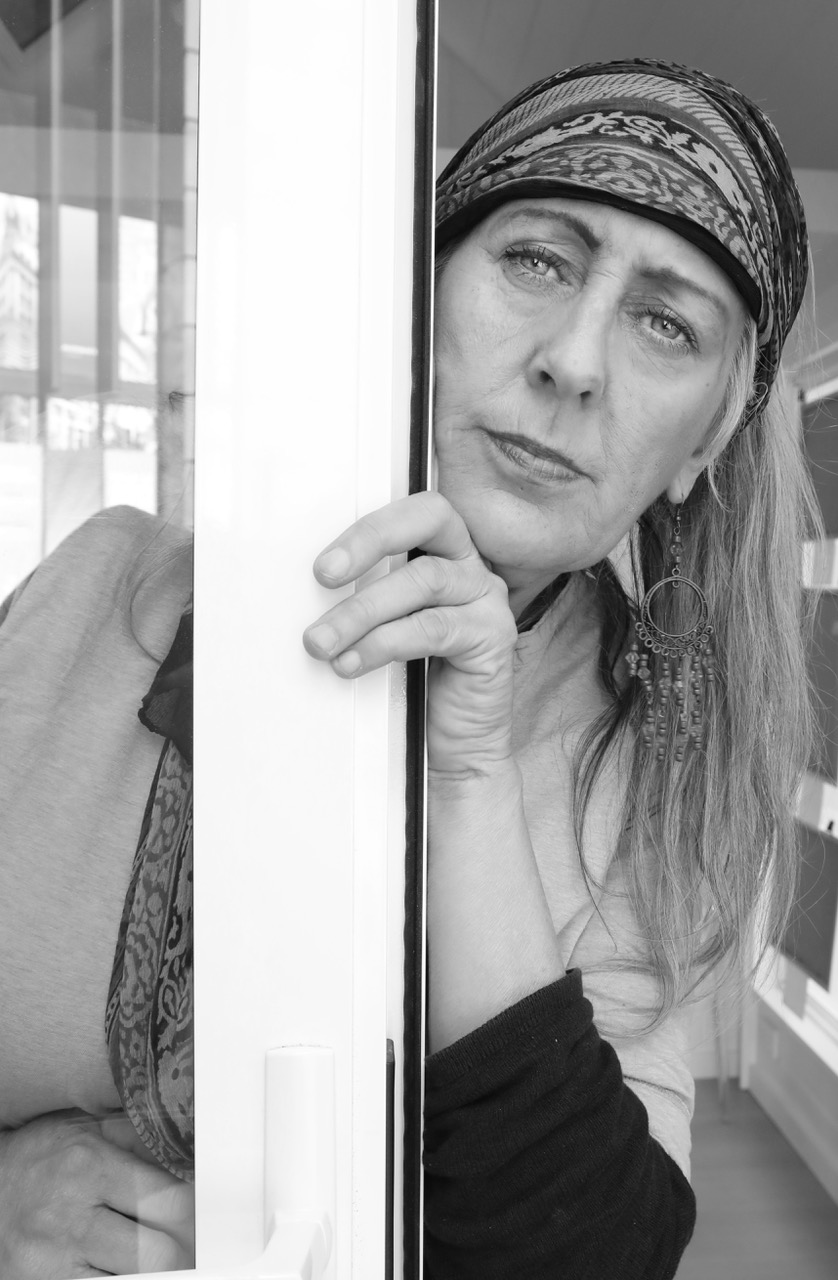
“I first became homeless in the late 1970s when I was a student and living cheque to cheque on Austudy. But I didn’t think of myself as homeless, I called myself a nomad. I associated homelessness with older men sitting in parks drinking out of, you know, wine bottles and I never really connected that with me. At the time, a friend of mine was leasing a floor of a warehouse in Darlinghurst, and there was a storage space downstairs on the ground floor. She said I could store my belongings there because I had nowhere to live and so because my mattress was there, I ended up sleeping there as well. It had a low head clearance and I used to have to duck my head to get underneath the ceiling.
I also used to couch surf in this period. I’d go to a party, and at the end of the night, I’d say, ‘Oh, I’ve had a bit too much to drink, do you mind if I crash on your couch?’ I never considered applying for public housing, or Housing Commission, as it was called then; it was something that just never occurred to me. I was only homeless for probably a couple of months and then another student, a friend of mine, said that he was putting together a share house of students and would I like to be part of it. Of course I said yes and that was the end of my homelessness at that time in my life.
I did have another period of homelessness in the mid-80s when my son was about four years old but I was able to put all my household belongings in storage in a friend’s carport. My friend was in a band and she had a large room on Parramatta Road where they used to do their band practice so my son and I used to sleep on mattresses on the floor there.
Eventually, during that time, I got hospitalised for housing related stress and because of that I got the offer of public housing in Glebe and my son and I lived there during the late 80s. Then, once I’d graduated from Uni, my son and I were able to move to private rental in the early 90s and we lived in private rental until 2006. After graduating from Uni, I had been working in publishing for the next ten years, starting as an editor for an internationally renowned publisher. The work resulted in an RSI injury and I couldn’t work in the field I was educated in and loved anymore. After that I was in and out of work, or only on part-time work and my funds became so depleted I was using my credit card to pay rent. And it was at that stage that I was working in community services before I got into women’s housing.” – Susan 2021

"I was born to exist
a soul with skin
I craved for love
when will it be in?"
“I was born to exist
a soul with skin
I craved for love
when will it be in?
Torment, neglect, pain and shame
what is this fucked up game?
Endured sexual assault multiple times
who ends up paying for these crimes
…me”
– Roshee Taylor 2021
Roshee Taylor, 55, was subjected to neglect and sexual assault. The trauma led to her homelessness. Living in transitional housing now, she is using her experience to advocate for change and to help children and young people who may be in similar situations. During the activation of UNSEEN Rochelle will be performing, singing songs about her experiences. In addition, she will be working with a group of children aged 7 to 13 to craft messages on paper dolls to homeless people, which will be placed on the Tiny House. Rochelle believes this is a way she can help build awareness, reduce stigma and create a community of support through art.

"Being homeless is scary."
“Being homeless is scary.” – Lani 2021
“I’m speaking out for the people who can’t speak, who don’t have a voice. I became homeless through domestic violence when I was 14. Becoming homeless is a very sad thing because everything’s been taken away from you, just snatched from under your feet. It can be a very scary thing for people who have no hope in life and think that everything’s just going to end. Homelessness is not a choice; homelessness can happen to you, it can happen to anyone, especially during COVID. What would you do? Where would you go? Who would you be? Think about it – you could be on that side of the fence one day! I’d like to see people try being in our shoes on the streets. You might think oh, it’s not that bad being on the streets, but it is. How would you cope, who would you ask for help? Would you be able to sleep on a park bench like I did for five years? You have to find food, you have to find shelter, you have to find your own little network of friends that are like you, and sometimes you feel like you’re left out of the world, and the world’s looking down on you every moment. And as for the government, oh my god, why build a multi-billion dollar railway line when we could be putting it towards building housing for the homeless?
My story is that I was adopted at the age of five, and I grew up on the north shore at Castlecrag, and my parents moved to Double Bay. And, once we moved to Double Bay, the abuse started again from my foster mum. I was bashed, and I found out they never really wanted me and I couldn’t live with her anymore, so I ended up running away from home, and going onto the streets. I ran away to Woolloomooloo and found friends and they told me, “Why don’t you go up to Kings Cross?” And I’m like, “What’s Kings Cross?” So I ended up on the streets in Kings Cross and making friends there, and I was brought up by the street people of Kings Cross and, now I’m considered part of the community and all the homeless people I’ve got to know are my family now. I started working on the streets from there; I started working in the clubs and got into the drug scene, and mixed with the wrong people. I ended up with very bad depression and anxiety, which I still have to this day. I’m in and out of hospital and every now and then I think is it worth living? And then I look around and I go, “Well, I have to be a strong Aboriginal person, I’ve got to be strong for everyone around me because the people I have met have given me that strength.” And now I look at it as a miracle that I’m still here. Don’t judge us because we’re on the street. Don’t judge us because we’re different, because we don’t look like you, or we haven’t got what you have. We’ve still got a heart, we’ve still got feelings, and we’re still the same person inside. When you look into it, I’m not much different than what you are. We might even teach you something new.
When I was on the streets I used to sleep in the park down here and travel up and down on the trains for many years, and that was my home. And then this friend said, “Oh, I’ve got a camp out west”. And that’s where I actually ended up going and finding my real family, in this camp. I found my cousin, and he looked after me, he told me about housing and I went, “I don’t want housing, I’m pretty happy on the streets,” and he’s like, “You need a place to live.” And I’m like, “No, I don’t. I want to be on the streets.” And he’s like, “No, you have to have housing. I’m not going to let my cousin sleep on the streets. You’re too young and too beautiful.” And I went, “Okay, I’ll try them.” And, then they came back around the next week, I spent about a month out there in this camp and I was happy. Bought a tent but that got ripped off, so I had nowhere to sleep but I was happy and I thought “Well, I’m going to go back into the city and see what I can do in there.” And yeah, I met up with some friends and they said, “Oh, there’s this housing.” I went up to Wayside and I started hanging out at Wayside. So, the streets have always been my friends. I never had a place I could call home; I’ll always call Sydney streets home. I’ve never had any trouble with people on the streets. Everyone respects me, all the streeties, all the homeless people. I call them streeties, it’s a slang word, it’s just like a brotherhood thing. I love my community, and I love the friends and family that I’ve got now. And everyone that I’ve met, that I have a connection with. And they all seem like a brother and sister to me. There’s no one judging me, or anything. They all look at me like I’m just a human being and I’m one of them. And the good thing about being part of the community is that if I see someone is down, I can make them happy, and that makes me happy.
But I haven’t always lived in Sydney. I moved up to the Central Coast for 14 years with a biker. And that ended up being not so good and me leaving him and having to move back down to Sydney because I found out was married and was only using me for sex. Then, I went back and I met up with another biker on the Central Coast and I ended up marrying him. That marriage lasted for not even a month and I went back to Sydney again. And then I stayed in Sydney for the rest of my life. And while I was in Sydney, when I was young, I had four beautiful children, three girls, and one boy. My youngest boy’s up on the Central Coast with his own two kids. My oldest two daughter’s got three children. My second daughter’s got one daughter. And I’m still waiting for my third to get pregnant. My youngest daughter is the only child that actually I’m in contact constantly with. Her name’s Merinda and I love her so very much. She’s my backbone and I ring her up if I’m down and out, or I feel like I don’t wanna go home, or I just want to be out on the streets. She’s like, “Mum, just go home.” And I’m like, “Yeah, but I don’t feel like going home, I feel like being on the streets.” And she’s like, “Mum, go home!” So yeah, she’s my backbone, she’s my strength. They say you shouldn’t always rely on your daughters to do everything for you, ’cause you’re the mother… but she’s my mum! Because at times, I just don’t know which way to turn. So I just turn to her and go, “Honey, I want to be on the streets. I want to leave my house, I don’t want to be in the house anymore. I just want to be on the streets.” And she’s like, “Mum, you can’t be on the streets, you’re too old.” And I’m like, “I love you, too, darling.” But she’s my backbone. But my other three children, I hardly ever see. I put them all in for foster care, though my oldest daughter was adopted out. None of them understood why I put them in foster care or adopted ’em out. But as they got older, now they got kids of their own, they understand what I was going through when I was younger, why I gave them up, how I was mentally challenged with having children and DOCS walked in and took ’em. And yeah, it was just one of those times where I couldn’t mentally cope as a parent, having no help out there bringing up children and then going through DV at the same time. But I did the best for my kids. I gave them the best life I could’ve actually asked for.
I’m saying that because my kids actually kept their kids. They learned from what I did and they became stronger through having learned from what I went through. So they’re more stronger than I was back in the day. And I’m so proud of them for being so strong. And I love them so much because I’m a grandma of six kids. And I say to my kids, “I’d love to see my grandkids before I die.” And they’re all like, “Yeah, well, if you, get off the drugs, mum, you can finally see your grandkids.” And I’m finally slowly getting off ’em.
I have housing now and I live in the city, and I’m very happy where I am but I’m happier out here in the open, free as a bird. I’m helping myself. I’ve got my community, I’ve got support out there now, which I wish I had back then – because there was no support back then. You didn’t know where to go for support. But now I’ve got thousands of support workers that I can call on. And yeah, it’s all good and I’m very happy with my life right now. But behind all the happiness out there, there’s sadness. Everyone’s searching for something; I’m still searching for that special place. I’ll never settle down, I’m out of my house every day of the week. I’ve got animals I go home to, and they give me their love, they’re my best friends. I do have friends but I don’t invite them around to my house in case I am judged and they say, “Oh my god, is this where you live?” I’d get depressed and I have to look after number one. It might sound selfish but I have look after myself. If I don’t look after myself I can’t look after anyone else.
My dream has always been to win the lottery and build a big hotel for all the homeless for somewhere for them to go at night with free rent and free electricity, where they feel safe and are able to have their pets because often homeless people can’t have their pets in housing. But pets are their companions, they’re my companions, they give unconditional love, they keep me sane. A lot of people end up homeless because they’d rather keep their animals and they can’t have them in their housing. And I know there’s a lot of people out there who have lost their homes. My heart goes out to people who are homeless. Please don’t be afraid of homeless people. Have the courage to stop and say hello and have a chat, we don’t bite. Acknowledge them. Sometimes they don’t want to be talked to, but offer them something to eat. Say hi, because sometimes just saying hi makes a person’s day.”
– Lani 2021

"Unlearning shame is not mine to carry.
Unlearning to hide from pain.
Unlearning to keep secrets..."
8 WEEKS OF UNLEARNING.
Unlearning shame is not mine to carry.
Unlearning to hide from pain.
Unlearning to keep secrets.
Unlearning to keep it in.
Unlearning to accept apologies.
Unlearning who I am not.
Unlearning what defines me.
Unlearning my strength.
– Evie 2021
Evie is a survivor of domestic violence was unable to find secure housing as a single woman with a young son found herself ‘couch surfing’ with family and friends trying to find compassion without wearing out her welcome. Even with employment, it was still difficult to find a home for herself and her son. Sadly, the only way she could have secure housing was if the ex-partner cosigned the lease. Today she works closely with migrant women who have experienced trauma and conducts extensive academic research on this important topic. In 2016, Evie became Local Woman of the Year, finding support and encouragement from Hayley Foster, CEO of Women’s Safety NSW.
The image holds many meaning relating to Evie’s experiences. The necklace she is wearing belonged to her grandmother who chose suicide in 2018 by jumping in front of a train rather than remaining in a DV marriage. Each of the tattoos have very specific meanings in Evie’s life. The sunflower is about light, and how sunflowers turn to each other when there is no light.
In addition, Evie writes poetry to share her experiences with a wider audience. She shares just a few with you below:
Nan
I wonder nan if you were scared,
When he threw that plate and it hit your head.
I wonder how many times it happened before,
I wonder how you became brave enough to walk out the door.
I wonder Grandie if you knew how this would end,
I know the battle you had was unbearable in your head.
His voices and taunts made you lose who you were,
And for this kind of abuse there really is no cure.
I wonder my sister how you stayed so long,
So much injustice and so much done wrong.
I hated the way he treated you.
I know you thought we didn’t have a clue.
I wonder why I felt loved by him,
When control and power were his demise.
I wonder why he won’t let me go,
I wonder if freedom is something I’ll ever know.
The stories of the women behind me carry heavy on my shoulders.
They are more real to me as I get older.
I wonder how many more generations will endure the same fate.
Until we can trust that someone will keep us safe.
See, I’ve done all I can, but I cannot do it all alone.
There’s unjust systems, and manipulation, and broken bones.
I need you to stand with me and keep me safe.
I need you to help us end this madness, for my son’s sake.
I wonder when you will choose to come sit with me,
To connect with this darkness and heaviness, and to face this truth.
It doesn’t take much: it begins with listening and openness,
A path of freedom paved towards a glorious future free from his mess.
Village
It takes one to raise us.
It takes one to empower us to stand on our own two feet again.
It takes one to find recovery, to begin to hope again, to believe things can be different.
The village is a space.
Most importantly, a safe space.
You are safe here to have space.
Space to think.
Space to be. Unveiled. Mask away. Just be. Whatever it is you need to.
Space to lament. To grieve.
Space to laugh. To smile.
Space to believe again. To hope again.
And space to find yourself somehow.
The village is a gift to me.
A gift of myself back.
A gift of seeing goodness again in the world.
A gift of recognising my own strength.
A gift of acceptance.
A gift of discovering my own worth.
A gift of life.
The village is what holds us when the pieces are fragmented and we can no longer hold them ourselves.
The glass shatters and the shards cut us.
The village removes the shards, and heals the cuts.
And the village walks alongside us until the pain passes.
The village is a gift.
An invitation to a better life.
An invitation to recovery.
An invitation to a different way.
An invitation to wellness, wholeness, safety and freedom.
An invitation to just be. To be me in whatever state, in every season and in every way I need to be.
I’m so thankful I am part of this village.
I am
I’m proud of every moment that I spoke instead of shoving it down.
My shameful moments of rebellion are brilliant banners on my castle walls.
I’m proud of who I am, of who I have become.
I am remarkably strong. I can rebuild.
I am intelligent. I have so much to give that makes this world a better place.
If it had to all fall apart for me to discover me, I’d do it again, all of it.
Justice is the only way the world is made right.
I still believe it. I always will.
Finding me is standing on my own two feet.
Knowing my worth, knowing my strength.
Claiming and owning my body as beautiful, as mine.
Authenticity makes me shine.
I am proud of my style.
I am reclaiming my body as mine.
My tattoos tell the stories – metamorphosis, courage, crazy brave, nevertheless she persisted.
I am finding my freedom.
Freedom from guilt, from rules, from judgement, from religion.
I am most proud that I walked away, despite being terrified every step.
I am most proud that I told you through my actions that I deserve more than your mistreatment.
I am proud that I stood up to you, and that I continue to do so every day as I dance out here in freedom.
What a beautiful dance it is.
– Evie

"Be strong, have faith, love yourself. If you love yourself, everything will change around you..."
“As for any advice I would give to a young woman who was in my situation today, a woman who got off the plane after leaving her family behind, I would say, ‘Be strong, have faith, love yourself. If you love yourself, everything will change around you. If you love yourself, other people will respect you. Love is like an invisible barrier; it protects you. That is very important – to love yourself because love is not on the outside, love is in here, inside, in your heart.” – Carmen 2021
“When I grew up and left home, I married a man called Alberto, and we had three sons, Sebastian, Maximilian and Alfredo. My husband was aggressive, violent, choking me, abusing me financially and psychologically. Oh, I know about domestic violence. It was a very difficult time for me because I was the one who had to do everything for the children, who had to be the busy bee all the time. Eventually I said to him, ‘Enough is enough, Alberto!’ I left him and bought a three bedroom flat, in Mendoza, in Argentina and tried to work while having my sons with me but I just couldn’t do it, I couldn’t pay the mortgage. It was very upsetting. In Argentina, at that time, there was inflation and recession, no jobs, no future. So I made the decision to sell the house to pay for a ticket to Australia. When I was younger, in ’66, I had been to Australia before on a student exchange program. This time, though, I intended to stay and I did. I have never gone back.
It was 1985 when I was 42, came to Australia on a tourist visa. My parents had already passed away and I left my sons behind with my husband. I hadn’t been able to give my sons the education that I had, not that I have a university degree but I like to read a lot and educate myself. It was very hard to leave my children behind. It was absolutely heart breaking. I knew my children would miss me and would be living in poverty with their father but I always prayed for them and I always sent money to them. When I arrived in Australia I first went to the Seventh Day Adventist Church for a job as a cleaner, as in Argentina, I was raised in this church. But they turned their back on me and wouldn’t help me. So I found myself with no money and practically homeless. But the Lord never leaves me alone, and always I manage to find someone to help. I made contact with Spanish people at the Spanish club in Liverpool Street in the city and they gave me an address in Kings Cross and told me to go there and do cleaning jobs. They said it was an easy place to live with cheap accommodation. So I went up to Kings Cross and I lived in a backpacker hostel for nine months and the young boys there, they helped me and corrected my English because my English wasn’t good enough. And I earned enough money working as a domestic, cleaning rooms in a hotel there to send home to my children. It all depends what you’ve got in your heart, if you go for the right sort of job there’s a lot of work. When I’d come out of the hotel I’d go and work in an Italian restaurant washing pots and pans or on other days I’d go into the city and clean offices. I was very busy!It might seem hard to be living in Kings Cross and not speaking English well while trying to get permanent residency but I always kept in regular contact with the Immigration Department and I was always honest with them, I never ever told a lie. And it wasn’t a problem filling in forms because I always found someone next to me to help. I’d say, ‘Please, would you like to help me fill in this one?’ I’ve never been ashamed to ask for help. You might wonder why, living in the Cross, I was never tempted to take the easy way, the wrong way. I’ve never got involved with drugs or with bad people and that’s because I regard my body as the temple of the Holy Spirit. A temple is sacred, it is pure, and the temple is inside of us, in the mind. I don’t follow any one religion or sect or philosophy but I have my Holy Bible, or as we say in Spanish, Santa Biblia, and I believe in what it says in Joshua Chapter 1 Verse 9: ‘Be strong and courageous. Do not be afraid; do not be discouraged, for the Lord your God will be with you wherever you go.’ That is holy to me. I’ve never been tempted to go the wrong way.
I prefer to work hard. So that is how I managed living and working at the Cross but after nine months there I left the backpackers and went to live in a house in Burwood, The owner, a Greek, was renting out individual rooms. I met a lot of Italian people with whom I could have better communication and it was a better life there, cleaner, with more privacy. Honestly, I was sick of the ugly lifestyle in Kings Cross, the drugs, the prostitution, and the police arresting people with drug addictions or who were living on the street. I stayed at that place in Burwood for two years and from there I was able to move to a private rental in St Clair with three bedrooms, a lovely garden, a swimming pool and air conditioning. My intention was to bring my kids over and when they arrived I would already have this house with furniture, books and toys for them, everything they would need. I even went to the Community Centre and explained to the social worker what I wanted to do and asked her to give me ideas on how to fix up the rooms. It was wonderful. I had a whole house for me. I could leave the doors and windows open. It was close to St Marys, close to the school. It was close to the shopping centre and the community centre with a big park in front of the house where people played sport. Rent and bills were very low then and I could easily pay for it.
It was 1990 and by then I had lived and worked in Australia for the last five years and become a temporary resident and now finally I had a lovely home and was working for a catering business called ‘Cooking For You’. So I bought tickets for my children and they came out to live with me in Australia. At the same time I also became a permanent resident. By then I had divorced my husband but he didn’t stop the children coming out because he felt so guilty for his past behaviour. At the time they arrived, Sebastian was eighteen, Maximilian was twelve or thirteen and Alfredo was eight. In all that time I had worked mostly as a domestic, but then I began to look at getting better qualifications, to get a better life. So I went to TAFE for further study in English and also did computer studies and first aid. With this I was able to start working in a nursing home, washing and cleaning the elderly residents, and cleaning their rooms. It was a tough job and I didn’t like it because of the racism I experienced there. So I decided to go back again to TAFE and learn how to prepare meals, how to present a table and how to introduce myself and to learn telephone technique. Then I begin to work as a waitress with an agency. I worked at various functions and festivals including the Italian Food Festival in Norton Street. That was a hard job as I used to have to start at four o’clock in the morning and sometimes I did not make a profit, only covering my costs. I remember once I had to do a party for some bikies and I was scared, they looked so big and scary. But they were fantastic people; they were so nice to me. I could not believe it! . They were very happy with me. They were coming into me and saying ‘Good food, Very good food.’
During all this time I had been renting lovely homes to live in with my three boys – one was even an executive home with seven bedrooms, a swimming pool and a garage. My boys, they were pampered! They said, ‘Mama, you are a superwoman, I love you, I would never forget you, I will never leave you!’ Yet, they did leave me. Sebastian was the first one to leave, when he was twenty-five. Maximiliano was the second one to go and when he left I said, ‘What can I do now?’ This was a difficult time for me because of the lease I was on; I needed some other way to cover the rent. So I went to the University of Western Sydney with photos of my home and I applied for students for home stay accommodation. I got young people from Japan, the Philippines, the Middle East and from Norway. They liked my large house, especially the Japanese because they had come from very tiny homes. But as I was without any money at all I also went to the local Community Centre and I found another Argentinian there, a doctor, and he said, ‘What are you doing here?’ and I said, ‘I need a job.’ They put me on a program for people looking for work and that was just when Star Casino opened, in 1997, so I applied for a job as a waitress there. I worked at the Casino for approximately seventeen years. I retired from there, when I was in my sixties. When I retired I said, ‘Oh my God now what can I do?’ You see, I still felt strong and energetic, so I put an advertisement in the newspaper: ‘A mature Spanish woman to clean your house’ and I got work at beautiful family homes with beautiful people. I’m still in contact with some of them. They trusted me to take their children to school and back; I was practically their housekeeper. Unbelievable! So many memories!I’ve always worked, always worked honestly but now if I do any work like that I get very exhausted. If I work too long at anything I get pins and needles and I have to stop and massage my hands. But I really enjoy working in the garden. I’m so happy out there with the worms and the little insects, the ants. I would say my strength to do all these things I have done did not come from my family. I think I was born fragile but it was the circumstances of my life that have made me strong. Forgiveness and love, they have been my weapons and my strength. Whatever has happened in my life, I’ve planned ahead to do what I wanted to do and I have always had Faith. Even now that I’m retired I pray and meditate and burn a candle and two years ago I even went to India to meditate.” – Carmen 2021

"The homelessness experience catapulted me into the realisation of what I lost - a sense of safety and belonging."
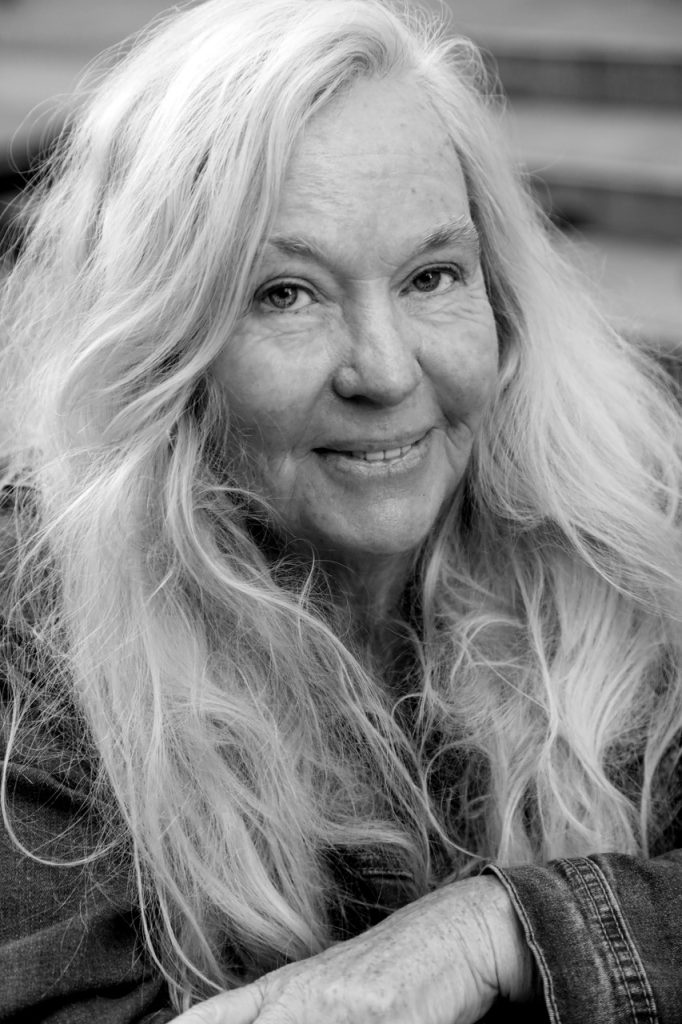
“The homelessness experience catapulted me into the realisation of what I lost – a sense of safety and belonging Now I need to move on, and leave the past behind me. This means getting rid of some of my material possessions which remind me of the past.” – Veronica 2021
“I was a single mother when my daughter finished Year 12. We were renting and she was contributing a little bit to the rent from her part time job so when she moved out I couldn’t pay the rent anymore so I ended up buying a cheap bus, converting it and living in that. I parked at the Blackheath council-run campground for three months for free but then it got too cold and I went north to Byron Bay.
Once I got to Byron I loved it so much I didn’t want to leave. I just felt I was home and I met wonderful people up there that I enjoyed connecting with and talking with and finding out their story. A lot of the community centres up there feed people and I used to go and sit and eat there with the homeless people and of course I got to know them all. And this is what the charities don’t do, they don’t sit and eat with them, they’re behind a desk and they’ve got a suit on and that’s what I didn’t want to be like. I wanted to be like the homeless people, I wanted to say to them, “I’m just like you, there’s no difference between us but I care about you, I want to help you and you matter to me.” I used to take them to doctor’s appointments, I used to give them sleeping bags, I used to check up on them and I was treated with the utmost respect by these homeless men, most of them were older, chronically unwell, with alcohol and drug addictions but most of them treated me so well because they knew I was genuine and I cared about them. It was like a family connection really.
But I felt very alone doing this because I tried to get people to help me but I couldn’t. And that was Byron Bay, one of the quintessential places of the whole planet that focuses on spirituality. But the homeless were left almost completely to themselves despite all this spirituality. I used to say to people, “You might be vegan, you might be doing yoga everyday but are you not caring for your brother?” That awareness did not seem to be there. I went to the Mayor and I went to the Byron Bay Community Centre who were feeding the homeless but they were such a mainstream system they couldn’t really think creatively out of the square with me and how to incorporate what I was doing. And because I wasn’t an official Not-for-profit they didn’t want to know me.
So I was rejected and abandoned just like the people I was helping. And it’s so painful because you’re there trying to help people and nothing’s happening. It’s very, very frustrating.
The services there were busy and full, so they could only do so much for them. They’d go to Vinnies, they’d get a food voucher, they can only get so many, they’d give them a sleeping bag but homeless people use a sleeping bag and the next day it’s gone, and they run out of things. One of the main things we were asked for was so that they could have a hot shower and there were showers installed through my intervention and others but it took a long time.
I felt so limited in my capacity to help working with the homeless, working with them one on one, because their needs are so great. I was one person, I didn’t have a corporation behind me, I didn’t have money for them, I didn’t have anything to give them really.
I wanted to help them in a very big way. I was unable to do so and that was painful for me because as you get to know each person they become like your friends and you don’t want to know they’re sleeping rough that night because you don’t want to see your friends get hurt. And it’s not OK.
I started a charity through talking with some other community members, they were friends of mine and they were passionate about doing something too so one or two of them helped me get the Not-for-profit up and running, it’s called One Roof Byron and it’s still going.
When I first went up to Byron in my bus, I never saw myself as homeless, I saw myself in an adventure and I wanted to do that, it was my choice. I could have stayed and rented a tiny flat in Katoomba but I couldn’t see myself doing that. And because my daughter moved out of home at 18 and I’d been a single parent for so long I was exhausted and I needed to reframe who I was, I needed to find myself.
I’d also had a son at 26 and I was pregnant with him and a single mother as well. So I’ve been a single mother for 36 years altogether with two children. He’s older, he’s 36, and she’s 26. The same thing happened to me both times – met someone, got pregnant, but things didn’t go right. I’m not close to my son at the moment, but that will change in the future.
I wouldn’t have gone unless my daughter moved out first and I couldn’t pay the rent. That’s how it all happened; it wasn’t my plan to do that. It was just the most practical thing to do at the time, to live in an alternative lifestyle like that.
But I did feel homeless when I started living in a caravan. A lot of the money I had I spent living up there just trying to help other people and trying to survive myself. I didn’t have any money left after that so I sold the bus and lived in a caravan on a friend’s property. But it was very toxic living there, very difficult, no bathroom, so I did feel homeless there.
The feeling of homelessness is that you feel powerless because you feel trapped. You try everything but you can’t get out. You’re inside a brown paper bag and no one can get you out. You are in there and you are stuck. And you try everything but nothing works. It’s entrapment, terrible entrapment. And I consider myself an intelligent well-rounded worldly person so why couldn’t I manage to get out of it? A lot of other people on the street, they had drug and alcohol problems so that would affect them getting help but I didn’t have that problem. I can see how easy it is to get entrenched by the system and to be stuck in it because it’s not as simple as people make out. They say women who are in the older age bracket they’re the most vulnerable now. They don’t have the resources of a young person anymore.
I was in Byron about three years altogether. I was homeless the whole time I was up there, living in buses and caravans, struggling along without a bathroom, and technically you’re homeless if you don’t have a bathroom. And I was engaging Housing and trying to get help but that didn’t work either. I was a just a number trying to get through the system. It’s a long wait out there, it’s a very popular place, and everyone wants to live up there. Eventually, after I couldn’t cope with being in a bus or a caravan anymore I got housesitting and I went from housesitting into an apartment. It took up every dollar I got from the government under Newstart to pay the rent so I didn’t really have money for food. But I had a place I could call my own and I liked it in there, the only problem was it was under someone’s house, and it wasn’t legal and it was full of mould and when I complained about that she gave me notice to leave. I was dealing with the Tenancy Advice people to try and get help but they didn’t help me either. It was all an impossible situation.
Then a huge flood came and flooded the whole of Lismore and the whole of South Golden Beach where I was and the whole area so a lot of people became instantly homeless including me. I got one metre of water through the whole apartment and I lost a lot of things there. So I got in my car and I went back to the Blue Mountains and I started housesitting again there but it all became very exhausting, being 62 now, it’s not like I’m 25 anymore. I think if I was a lot younger I could have sustained the housesitting a lot longer.
Every two months I’d get a housesit and that was how I survived on a very limited income. I didn’t feel I had the energy or the ability to go and get a job, which I would have to have to try and pay the rent somewhere. I think I got burnout. I’m not housesitting now though.
I got offered a place a bit more than two years ago with Anglicare Housing and I ended up taking that but I went through hell and back there. I would have preferred to be still housesitting or in a caravan or a bus rather than living there because violence ensued against me and other people in the building even though we had tenants’ rights and our own individual apartments. Anglicare’s attitude was, and it’s still going on, that you’re the scum of the earth, you’ve been homeless, you don’t matter so we’re going to throw you all in together, we’re not going to screen anyone, we’re just going to throw you all in together and let you sink or swim. And even the caretaker they put in there was a bully, a very nasty person who intimidated women.
A lot of women left and they were homeless women but they left that service because they couldn’t cope with it. I ended up having a heart attack there, a triple bypass and I blame Anglicare for it because I was feeling pretty good when I moved in there but it just completely drained the life out of me living there. You think a housing service is going to support you. I thought I’m going to be okay now I’ve got a place to live. But I didn’t feel safe because there was violence in the building and the management weren’t doing anything about it at all. There were people with mental illness there who were psychotic. My life was threatened there and I think that’s why I had the heart attack because I shared a wall with this lady who was living next door and she would continually bang, bang, bang her door night and day and talk to herself. I was worried about her as well. It hit me like a spiritual attack all the time I was there.
I didn’t know how I’d ever leave. I didn’t have any money to go anywhere. I considered going to a women’s refuge but I thought that’s going to be as bad for my mental health. I felt like my mental health was going down and down and down. I was drowning there and the more I fought them the worse it was for me because I had less power and then one day I realised they’re not going to change no matter what I say or do they’re no going to change anything here. I thought if I jumped up and down and shouted loud enough they’d do something but they didn’t. Going through that experience was probably one of the hardest things I’ve been through in my whole life. Living in a bus was a hundred times better than that because in the bus, I was in my own space I wasn’t beholden to anyone
One day I just did a 360 and realised I had to spend my energy getting out of there instead of fighting them. But it took many months to get out of there. I was very blessed to fill out some application forms and eight months ago I got offered Catholic housing and it’s not perfect but I’m very, very happy there.
My daughter’s 26 now and she’s thriving; she’s just finished a graphic design degree and she’s got a very good job. She lives in Penrith. And when I was away in Byron she missed me a lot and I missed her and I knew she needed me and I had to come back so when I got flooded out it was interesting timing that she came back then too.
I think learning through difficulty it changes you and you learn things you wouldn’t normally learn, you go through things you normally wouldn’t go through and I could honestly say that had I not been homeless or a single mother or struggled myself I wouldn’t have done the Drug and Alcohol Cert IV that I did when my daughter was two because I wanted to work with people who had issues because I knew people even then who had problems. And having that Cert IV really helped me when I was on the street with these other people several years later.
I’d like to say to people that everyone is connected to everyone else. We’re not disconnected. And so when you’re seeing other people who are homeless, they’re just like you, there’s no difference, no distance, between you and them really and this is what we need to change spiritually and to change in our culture because people don’t help them because they feel like they’re a nobody, they’re distant to them, they don’t relate to them. But they’re just human beings that have just fallen on tough times. And we need to change the system so that people reach out to other people whether it’s domestic violence, they’re homeless, or they’re mentally ill. Whatever it is, it’s your neighbour and you’re meant to be helping them in some way.” – Veronica 2021

"I lived in an upper middle class area... people do find themselves in situations where they never thought they would be..."
“I lived in an upper middle class area, is where I was born and bred, I know that my story needs to be shared because people do find themselves in situations where they never thought they would be and families really don’t know how to cope. We always think that’s a situation that happens to other people, like poverty happens to other people.” – Kylie 2021
“I used to think that homelessness was something that happened to other people. I’d grown up in a middle-class home, went to a Catholic school, came from a loving family and my parents worked really hard so the idea of not having a home of my own to live in was just not something that was in my psyche. Yet, through life’s circumstances, I ended up having to sleep in the same bed with my daughter for about seven years because I just couldn’t afford accommodation where she had her own room.
All that started, unfortunately, because her biological father had a gambling problem, and with that came the lies, and we kept getting evicted from where we were living because he wouldn’t pay the rent. We ended up fighting, and then the violence became so constant in our home that he accidentally hit our daughter when he was trying to hit me. And that was the moment when I realised I had to leave him because up till then I kept thinking that I could help him or that he could get his act together, or that the situation wasn’t as bad as it was,
I think when I rang the help line to talk through what had happened I was probably in shock. I told the person on the phone about how my partner had accidentally hit our daughter, instead of hitting me, and she said that DOCS would have to be called and that they would have to assess whether or not it was safe for my daughter to live with me. I’d never thought of being a single mother but in that moment I realised it was real and that I needed to leave her biological father.
And that’s what I did. I left and it was financially really, really hard, and I could only afford a one-bedroom place. So it meant that my daughter and I slept in the same bed and we did that for seven years. And that wasn’t a situation that I thought I would ever be in. I was on the community housing list, but our number never came up so I never did get community housing or government housing assistance. I was on the sole parent pension and the family benefit and the other benefits that you can have.
I lived in an upper middle class area, is where I was born and bred, and I realised that if I was sent away to affordable housing, like, I don’t know, an hour or two away from my support network, I would be alone. And that wasn’t going to be good for my mental health, so I needed to stay in the area I had support close by. I also wanted to keep my daughter in her school, so that she could have that security and be close to my family and friends. She went to a Rudolf Steiner school and that was a particular type of education that I really believed in. I worked a lot of jobs to keep her in that school.
Her biological father wasn’t paying child support and there didn’t seem to be anything I could do about that, and child support couldn’t seem to do anything about it either. It was just really financially challenging. And unfortunately the school she attended had very limited in their support. They did help out a little bit, but when it came to her higher education, I really had to fight to keep her in that school. I offered to pay in a different way, like asking if I could volunteer or if I could make payment plans, but they really weren’t interested. It was really devastating because I felt I was treated like I was a criminal, like I was doing something wrong. I wish I knew then what I know now, but it’s very hard to advocate for yourself, but I just knew inside that I wasn’t going to let them kick her out because her father wasn’t helping financially. I just thought, no, I’m not going to let him take that from her.
My daughter did very well at that school and they used her image for the school promotion because she was a very beautiful girl and she’s very talented. But it was very stressful to try to keep her in that school so when she left, I asked them to remove all of her images because I had been treated so appallingly and been spoken to like I was doing the wrong thing by not paying the fees in the way they wanted. I’m still paying those fees off now, and she finished school four years ago. But the thing is, that debt wasn’t mine, it was her biological father’s. Yet they sent debt collectors after me when they knew that it wasn’t me who owed the debt. I paid and still I pay what I can but it’s not my debt.
Unfortunately, during this time, when my daughter was seven, I met someone else at a church barbecue, someone who pretended to be someone they weren’t. I even took them to meet my counsellor because I was wary of introducing somebody to my daughter but if someone wants to trick you, and withhold parts of themselves, there’s nothing you can do about it. I ended up marrying this person but four months into the marriage I found out that I had married somebody who was very dishonest and living a double life and who had a sex addiction and all sorts of other addictions as well.
I did try to go to therapy and get help with him, but unfortunately that wasn’t going to work. So, I ended up finding myself left behind in a home in St. Ives with the phone cut off, not a lot of furniture and not able to cover the rent. My brother and his wife moved in with us so that we could stay in that place for six months but all the while, I was really conscious of keeping my daughter in her Steiner education because I wanted to give her some stability.
Her father wasn’t around by this time, he’d moved down to Adelaide and in one way that was hard, but really it was better because it meant that we were both going to be safe and I didn’t have to share custody with somebody who would have people that I didn’t know around my daughter. Because there was one time when she was little and I had dropped her off at his place. And then when I came to pick her up, she had been left in the bedroom and he was out on the balcony with a whole bunch of people that I didn’t know. And I decided then that I would never leave her with him again, because a beautiful little girl left alone in a bedroom with a whole bunch of strangers around and nobody to look out for her wasn’t safe, and her safety came first.
After my first experience with my daughter’s father I’d thought I could recover and redeem myself but I think the experience with my second marriage was the hardest because it was the second time that I’d ended up in an intimate relationship that was really not healthy. There was a lot of shame around that and it seemed like people’s judgment of me was really harsh.
Unfortunately, I had been abused when I was a little girl, and I understand now, through many years of therapy, that once you’ve been a victim of sexual abuse and you’ve been in a situation where you’ve been in an unhealthy relationship, those patterns will keep repeating themselves until they’re healed.
I know that my story needs to be shared because people do find themselves in situations where they never thought they would be and families really don’t know how to cope. Families don’t know how to provide support because it’s not a situation that you think you’re ever going to be in. We always think that’s a situation that happens to other people, like poverty happens to other people. I know some people could have said, ‘Well, why didn’t you just pull your daughter out of that school?’ Well, that was the one thing that I thought I could keep stable in my daughter’s life. Because after the second marriage, I had to move around and I had to go back to sharing a bed with my daughter again. So for a lot of my daughter’s life, we had to share a bed because I just couldn’t afford two-bedroom accommodation.” – Kylie 2021

"... I was illegally evicted into the street at the age of 64 with no assets..."
“My story of fraud, domestic violence and homelessness began when my ex-husband (now known as the ex) and I sold our former marital home…[subsequently] I was illegally evicted into the street at the age of 64 with no assets…” – Alexandria 2021
“My story of fraud, domestic violence and homelessness began when my ex-husband (now known as the ex) and I sold our former marital home. While still in the original matrimonial home, the ex told me that he had met a well-known High Court of Australia judge at his friend’s sister’s place. The ex’s friend is now being named as “Phillip” for ease of understanding the case matter.
[NOTE: At a later hearing in the High Court of Australia, a well-known High Court judge had made known to the Court that he knew Phillip’s sister’s family. I objected. This judge disqualified himself from this hearing, but did not disqualify himself at the previous hearing wherein Phillip had appeared at the bar table!]
Back to the narrative…
Unknown to me, the ex then purchased two adjoining properties (Nos.24 and 26) in his name alone without my knowledge and consent. An unethical solicitor was involved in the transactions. The ex had moved our two children and myself into No.26, leading us to believe this was to be “our family home”. The ex then transferred the two properties to Phillip; and loaned him over $47,000 (E) from the original sale monies. When I found out what had occurred I took the matter to the Family Court to seek the return of my marital home, property and monies. A legally binding contract had been drawn up between the ex and Phillip. Phillip had promised to pay the loaned monies back, when he sold his former home. The ex transferred all of his interests in the mortgage contract to me. I had agreed to this deal. Shortly afterwards, the ex left the matrimonial home. Phillip sold his former home; never paid the borrowed monies back; and moved into No.24. In other words, Phillip reneged on his mortgage payment to me. Phillip was unemployed. I was working as an Accounts Manager. There was one attempt made by a FC judge to put me under guardianship. That application failed. The judge was disqualified. Then the ex tried to put me under guardianship. That application also failed.
During this period of time, when I had returned home (No.26) from work, Phillip (living at No.24) came over and physically assaulted me. He had personally wanted to evict me into the street. There were police photographs of the bruises sustained by me from the assault and a medical report of concussion and bruising. Phillip had “king-hit” me on the left side of my head and then punched me on up upper left arm a couple of times. I got an AVO in the local court. On appeal by Phillip, the AVO was dismissed. The judge said that I had sustained the injuries during a scuffle. I am a small lady and older than Phillip. Phillip is over 6’ tall and a big man. The Family Court did not have the jurisdiction to deal with contract law. I then started proceedings in the Equity Division, Supreme Court. The matter in the FC was adjourned till a later date. In the Supreme Court, at an interlocutory hearing, the judge dismissed all of my witnesses before they were heard. I had sought the redemption of the two properties. The judge asked my ex if I could proceed. The ex said “NO”. I had asked the judge to disqualify himself from the proceedings. The judge refused.
The unethical solicitor had admitted “negligence” and “fraud”. The judge dismissed my application against her; and ordered me to pay her costs. The judge had inserted the “mortgage contract” into his judgement. Then the unethical solicitor, bankrupted me on a Bankruptcy Notice that did not fulfil the requirements of the law. The Bankruptcy Notice was flawed. The matter was heard in the wrong jurisdiction. Thus, the judgement and orders were flawed. An amendment was made at the header of the “Orders” given as if the case was heard in the correct jurisdiction. The Official Trustee in Bankruptcy took over my matters. In the Trustee’s “Report to Creditors” I was listed as the legal owner of the two said properties. The Official Trustee in Bankruptcy appeared in the “Accounting” hearing (final hearing) in the Supreme Court. The OT agreed that I would pay Phillip’s personal debts, current and future; including his mortgage. I was also required to pay Phillip rent. It was stated in Court that Phillip had problems paying his mortgage, and that my home would have to be sold to relieve Phillip’s mortgage.
Shortly after this hearing, I submitted an appeal and got “stay orders” that would allow me to remain at No.26, until the appeal was heard. On this same day, while I was in Court, the Sherriff came over and axed my door. There had been no “possession orders” issued by the court. The police refused to get involved in the matter as it was a “civil” matter. I then phoned the emergency number of the Supreme Court. I was told to come in the following day. The following day the judge explicitly told me NOT to go “home” and I was illegally evicted into the street at the age of 64 with no assets.
I left the Court crying and went to the Rental Tribunal. I was told that it was an “illegal lock-out”. The staff at the Rental Tribunal helped me. I was able to speak with a social worker and was classed as a “HOMELESS PERSON”. I was placed in a motel for two days and then transferred to a women’s refuge. After three months in the refuge, I was moved to public housing where I live now.
Phillip had sold my marital home and kept the monies. He paid off his mortgage and personal debts. He then renovated and extended No.24. Phillip then sent me a bill for $35,000. This included payment for a fence, that was built after my home was sold. The Court of Appeal heard my matter. The judge said that a “miscarriage of justice” had occurred. The Court of Appeal acknowledge the “unregistered mortgage”; stated that I should not have been forced to pay Phillip’s personal bills and rent payments. In fact, Phillip owed me a considerable sum of money. However, as I was a bankrupt, I had no legal standing in the Court. In other words, I was UNSEEN. The outcome was the same in the High Court of Australia. I then went to the Court of Appeal, Supreme Court, and to the High Court as a subject of CEDAW (Convention on the Elimination of All Forms of Discrimination Against Women), seeking to invoke international law for the return of my property but my applications were dismissed. At the final hearing in the FC there was no property left. Phillip got the lot. After the finalisation of the hearing, the presiding judge asked the ex’s barrister to come into his chambers to further discuss the case. The barrister left the court room via the same door that the judge had exited. They were FRIENDS! At the FC Registry I was told that Phillip had been made the “Applicant” in my property settlement proceedings by one of the judges. The ex and I were the “Respondents”. This was illegal as the proceedings were to be “between the parties of the marriage”.
After I had exhausted all domestic remedies in the Australian Courts, I submitted a Complaints Submission to the Petitions Team at the United Nations in 2015. I now have a petition @ https://chn.ge/2Hpu2aa seeking to have this submission processed pursuant to INTERNATIONAL LAW PROTOCOLS.”
– Alexandra 2021

"...now that I am middle-aged I do fear for the future for myself and others. So now I am volunteering to support homeless women."
All this happened when I was young but now that I am middle-aged I do fear for the future for myself and others. So now I am volunteering to support homeless women.” – Victoria
“When I was 20 I was very ill in hospital. I had blood transfusions, which I now know were tainted with Hepatitis C. After that I never felt ‘right’ – I got bouts of depression, tiredness and malaise. If I tried to work full time I got so tired I would fall asleep as soon as I got home so I couldn’t afford to get a place to rent normally.
Luckily I discovered squatting, which allowed me to continue my studies while not paying rent, which was a help. Where we were squatting had no hot water and only an old toilet at the end of the yard and once there was a lot of rain and the kitchen ceiling collapsed. Another place I lived in only had one tap for six old three-storey houses. But we had a community of sorts. The problem was never knowing when you would be kicked out so you could never settle down, relax or plan your future well.
Eventually I got well but I lost many years due to the depression and tiredness, plus a bout of drug addiction, which I also recovered from; which was a big effort. All this happened when I was young but now that I am middle-aged I do fear for the future for myself and others. So now I am volunteering to support homeless women.”
– Victoria 2021

"I had no where to go, no money... I had to make the decision to become homeless as I could no longer exist in the marriage."
“I spent 32 years in an unhealthy marriage. By the age of 47 I had adult children, two still at home, and four grandchildren. I felt I couldn’t leave. I had no where to go, no money – what could I do? I had to make the decision to become homeless as I could no longer exist in the marriage.” – Sue 2021
“As a child growing up I would come home more than once to find my aunt’s car parked in the driveway with the boot open. I knew we were off again. By the time I was seven, my parents were divorced and my sisters and I went to live with mum. My mum worked hard for us four girls. We moved around a bit, due to a few more unhealthy relationships, living in others peoples places, caravan parks and rented properties.
I knew that this was not what I wanted a an adult, so I spend 32 years in an unhealthy marriage. By the age of 47 I had adult children, two still at home and four grandchildren. I felt I couldn’t leave. I had no where to go, no money – what could I do? I had to make the decision to become homeless as I could no longer exist in the marriage.
Leaving my two adult children behind I stayed with my sister her home, not mine. Although she tried to make it mine it wasn’t. I had nowhere to cry and not be heard as I did not know what lay ahead for me, no money, no super, no experience yet a debt over my head if a house that I know longer lived in. Due to the debt I could not apply for anything even after I had part time job in a clothing store, as this debt laid over my head until the settlement was sorted a year later. I was homeless and it was hard nowhere to gave my children over for Christmas or even to have sleepovers for night time chats like we had done all their lives.
There were sacrifices and I ended up being where I never wanted to be as a child.
It’s a sad time on my life but I have moved on and now work for a Specialists homeless service, I know every time I see a woman come through the door the road ahead is going to be hard as there is not enough support for them.” – Sue 2021

“The system is designed to not cause change for women. Too many men ‘rule’ the system with a ‘Hollywood-ised’ view of women and homelessness.”
“The system is designed to not cause change for women. Too many men ‘rule’ the system with a ‘Hollywood-ised’ view of women and homelessness.” – Sally 2021
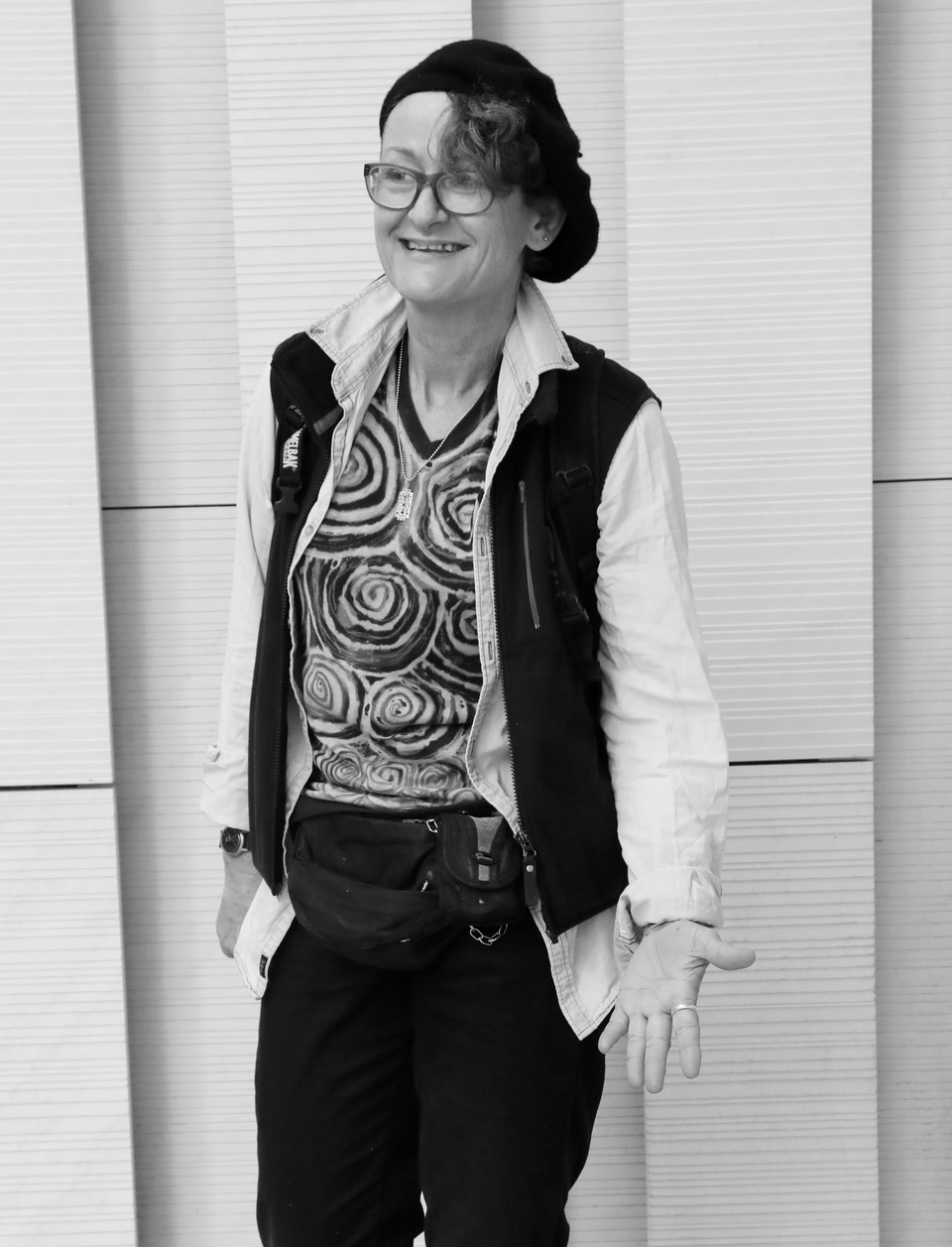
"the present is a gift not a given."
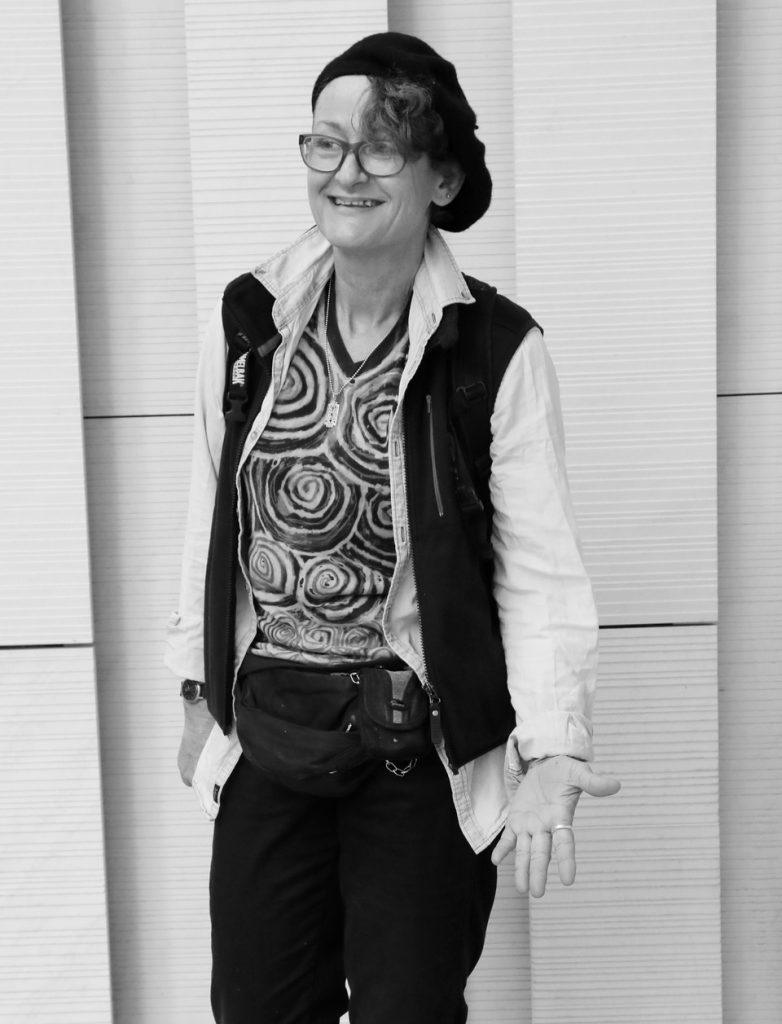
“the present is a gift not a given.” – Sera 2021

"Being homeless you feel so alone and that no one cares."
“Being homeless you feel so alone and that no one cares.” – Ruth 2021
Get in touch