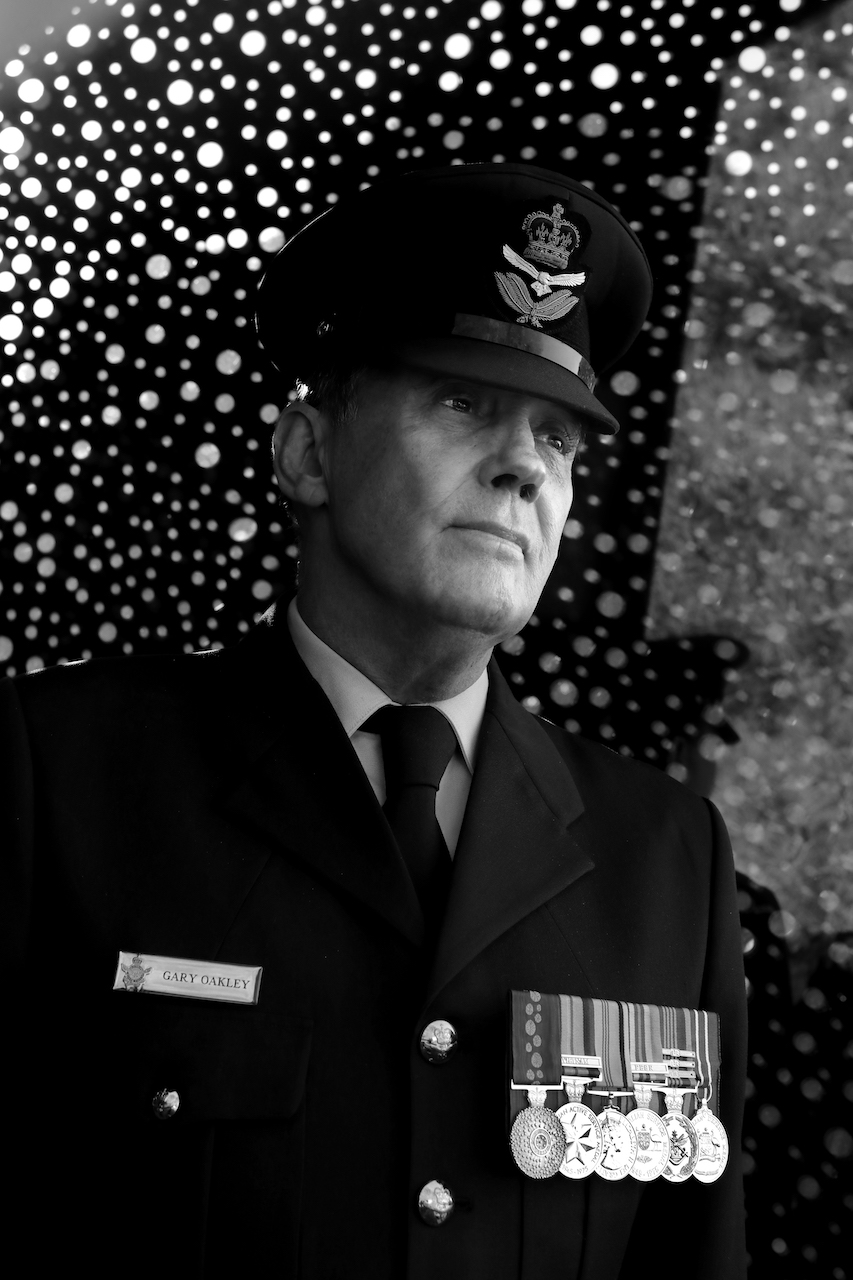
Growing up in Canowindra, New South Wales, with my Indigenous father and non-Indigenous mother, I had a path laid out for me – a council job like my father. However, my aspirations took me elsewhere. At fifteen, I joined the Navy, as a Junior Recruit, which opened doors to a world I had only dreamed of. Following my training at HMAS Leeuwin, I was posted to the HMAS Duchess and eventually, at seventeen, found myself on HMAS Sydney, a converted aircraft carrier shuttling troops and equipment to Vietnam. Life aboard HMAS Sydney was both routine and exhilarating. I worked as an Ordinary Seaman Electrical Mechanic, assisting on the seaplane crane, unloading trucks, equipment, and anything else required. The work was dangerous at times – if you did not secure vehicles correctly, there was the risk of something falling during transfer. We operated under strict orders: no overnight stays in the harbour, which meant pulling out each night and returning each morning to avoid the unknown risks lurking in the water. This routine became second nature.
We got accustomed to the sounds and smells of Vietnam – the thick tropical air and avgas permeated everything. The ship hosted hundreds of soldiers at a time, transforming into a chaotic blend of Army and Navy life. The camaraderie between us was unforgettable. Soldiers, tired and often visibly anxious, lined up on the flight deck, awaiting their return or deployment. Their expressions reflected the emotional weight of their mission – the silence before they boarded helicopters was almost palpable. During our breaks, we played games with the soldiers, had competitions, and even held concerts. There were makeshift pools and hammocks rigged up in the hangar, adding a sense of normality amid the heat and grit. When we returned soldiers to Australia, they were met with simple comforts – cold lime drinks and Anzac biscuits – but also the harsh reality of a nation that did not fully appreciate their sacrifices. Unfortunately, these returning soldiers faced hostility rather than support, a reaction that left a lasting impact on many of us.
Reflecting on those days, I remember how essential it was to trust the person next to you, regardless of their background or beliefs. Serving was not about politics or a love of combat; it was about honour, duty, and protection. This commitment to service runs particularly deep among Indigenous people – a bond of protection and dedication to country and community. Despite past policies that barred Indigenous Australians from enlisting, we have always been willing to serve. In the Defence Force, trust is paramount, transcending race, religion, and personal differences. You rely on your comrades, and they rely on you.
When the Welcome Home Parade took place in 1987, Australians apologised, acknowledging the mistreatment of Vietnam veterans. For many, this recognition came too late, but it offered a sense of closure for those who served. For me, service remains a source of pride – a commitment born of love for my country and the people who stand beside me.